
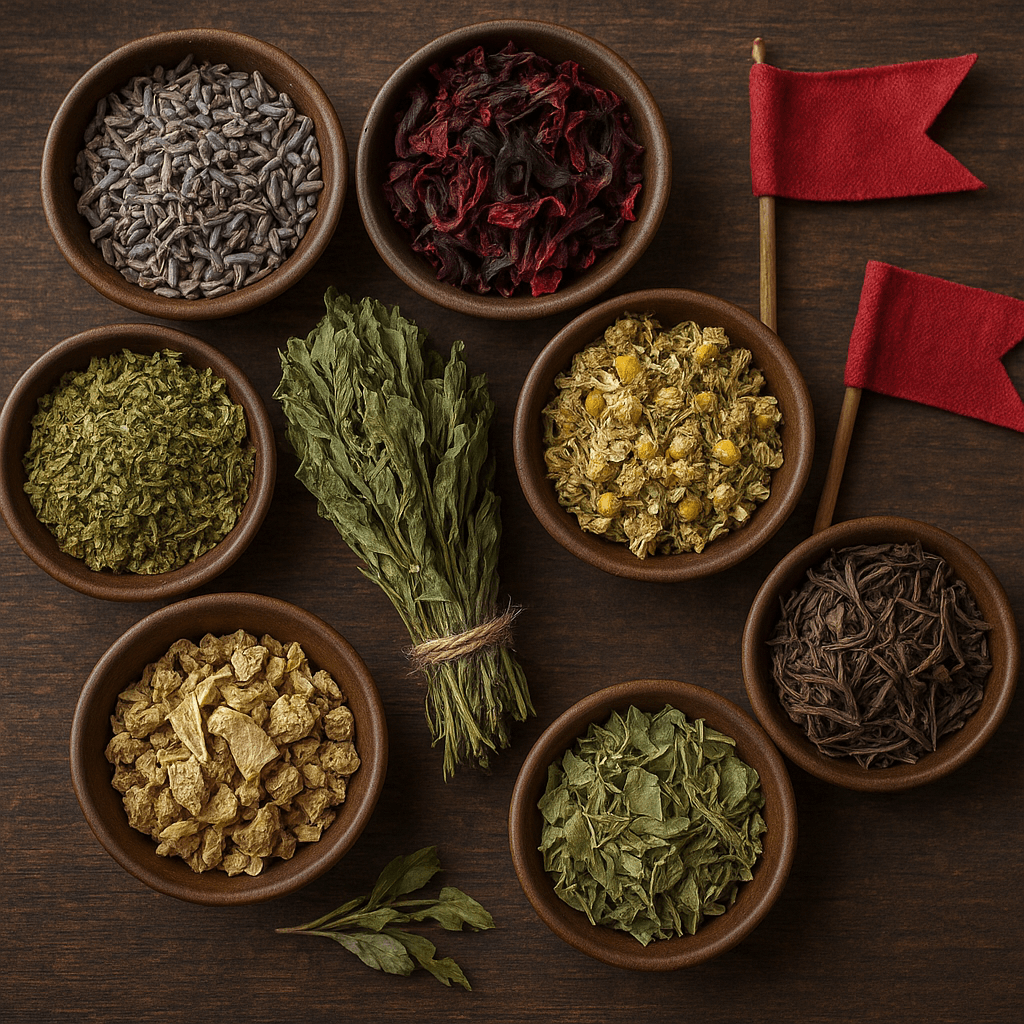
Why do herbs for ritual work arrive stale, mislabeled, or completely wrong?

32 Pack Herbs for Witchcraft, Dried Flowers for Witch Crafts Supplies
View Product →When you order herbs for ritual use online, you enter a marketplace where sellers often treat sacred plants like commodity products. The rosemary that arrives might be old, dusty, and powerless. The “cleansing blend” might contain mystery ingredients. The mugwort might not be mugwort at all.
Buying herbs for ritual use online requires different standards than shopping for kitchen spices or decorative potpourri. Your ritual work depends on plants that carry energy, aroma, and proper identification. Here’s how to find suppliers who understand the difference.
What to Look for When Buying Herbs for Ritual Use Online: Identity First
Skip the marketing language and focus on botanical accuracy. A reliable listing includes the full scientific name alongside common names. “Rosmarinus officinalis (Rosemary)” tells you exactly what you’re getting. “Sacred cleansing herb” tells you nothing.
Check the physical form before ordering. Cut and sifted herbs work differently than whole leaves or powdered material. Whole herbs stay fresh longer and give you control over how you process them. Powders blend easily into spell jars and charm work but lose potency faster. Extracts concentrate active compounds but change how the plant behaves in smoke or water work.
The listing should specify whether you’re buying one ounce or one pound. Most practitioners need smaller amounts of specialty herbs to maintain freshness. A four-ounce bag of lavender serves better than a bulk pound that sits unused for months.
How Fresh Herbs Change Your Ritual Results
Plant material degrades over time, and old herbs fail in ways that matter for ritual work. Fresh rosemary releases clean, sharp fragrance when burned. Stale rosemary produces flat smoke and weak scent. Fresh bay leaves hold their green color and crisp texture. Old bay crumbles into brown dust that carries no power.
Color, aroma, and texture reveal an herb’s condition faster than any marketing claim. Properly stored herbs maintain recognizable scent when you open the package. The material should feel vital, not brittle or dusty. Mugwort keeps its silvery-green appearance. Rose petals hold their natural color range. Lavender buds stay intact and aromatic.
Poor storage shows up immediately. Herbs stored in heat lose essential oils. Herbs exposed to moisture develop mold or musty odors. Herbs stored too long become powdery and lifeless. When herbs arrive in this condition, they won’t support your ritual work.
Red Flags to Avoid When Buying Herbs for Ritual Use Online
Vague sourcing information signals problems ahead. Reliable sellers tell you whether herbs come from cultivation or wild harvest. They explain their processing methods and storage conditions. They provide enough detail to trace batches if quality issues arise.

Witchcraft Herbs Kit, Dried Herbs and Flowers for Witch Beginners, 40 Pack
View Product →Avoid sellers who make impossible promises about guaranteed magical results. Plants support your work through their natural properties, not through marketing claims. A seller who promises every herb will produce specific outcomes doesn’t understand how plant allies function in ritual practice.
Watch for hidden ingredient lists in blended products. “Proprietary blend” often means cheap fillers mixed with small amounts of the named herbs. “Premium quality” without supporting details usually means standard commercial grade with markup pricing.
Stock photography instead of actual product photos suggests the seller hasn’t handled their own inventory. Real photos show the actual cut size, color variation, and texture you’ll receive.
Sourcing and Processing Standards That Matter
Wild-harvested herbs require ethical collection practices and clean processing. Responsible sellers identify harvest locations and methods. They explain how plants were dried, stored, and packaged. This information matters because ritual herbs often contact skin, breath, or food preparation.
Overharvested plants carry both ethical problems and quality issues. Plants stressed by poor harvesting produce weaker material. Species facing population pressure shouldn’t appear in casual retail markets. Good suppliers source sustainably and rotate harvest areas.
Processing cleanliness affects how herbs perform in ritual use. Herbs processed in facilities that handle multiple products risk cross-contamination. Herbs stored in open containers pick up dust, moisture, and foreign odors. Sealed packaging and clean handling preserve the plant’s natural properties.
Matching Herb Form to Your Ritual Needs
Different ritual applications require different physical forms. Loose incense works best with cut and sifted material that burns evenly. Bath and wash work needs herbs that release properties into water without creating debris. Oil infusions require material that transfers essences efficiently.
Whole herbs give you the most options. You control the final cut size and processing method. Whole lavender buds release more essential oil than pre-ground powder. Whole bay leaves burn more evenly than broken pieces.
Powdered herbs work well for specific applications. They blend smoothly into spell jars and sachets. They dissolve completely into bath salts and wash waters. They mix evenly with base incenses and resins. But powders lose potency faster and hide quality problems more easily.
Finding Reliable Suppliers Who Understand Ritual Use

The best suppliers understand the difference between culinary herbs, medicinal herbs, and ritual herbs. They stock material processed appropriately for magical work. They provide accurate botanical identification and honest quality descriptions.
Pagan suppliers often carry ritual-specific preparations that mainstream herb companies don’t offer. They understand why practitioners need certain cut sizes, processing methods, and packaging options. They stock specialty items that support specific magical traditions.
Build relationships with suppliers who respond knowledgeably to questions about their products. A good supplier explains their sourcing, describes their storage methods, and helps you choose the right form for your intended use.
What to look for when buying herbs for ritual use online comes down to clear identification, honest sourcing, and suppliers who understand how plants function in magical work. Your ritual practice deserves herbs that arrive fresh, properly labeled, and ready to support your intentions.
Define Pagan stocks herbs processed specifically for ritual and magical work, with full botanical identification and quality standards that support serious practice. Browse the complete selection of ritual herbs and supplies at https://www.definepagan.com/pagan-shop/.

Lilly Dupres
Owner & AuthorLilly Dupres, a lifelong practitioner of paganism, established Define Pagan to offer a clear definition of paganism and challenge misconceptions surrounding modern pagan lifestyles.


