
How Do You Cleanse New Ritual Tools Before First Use?
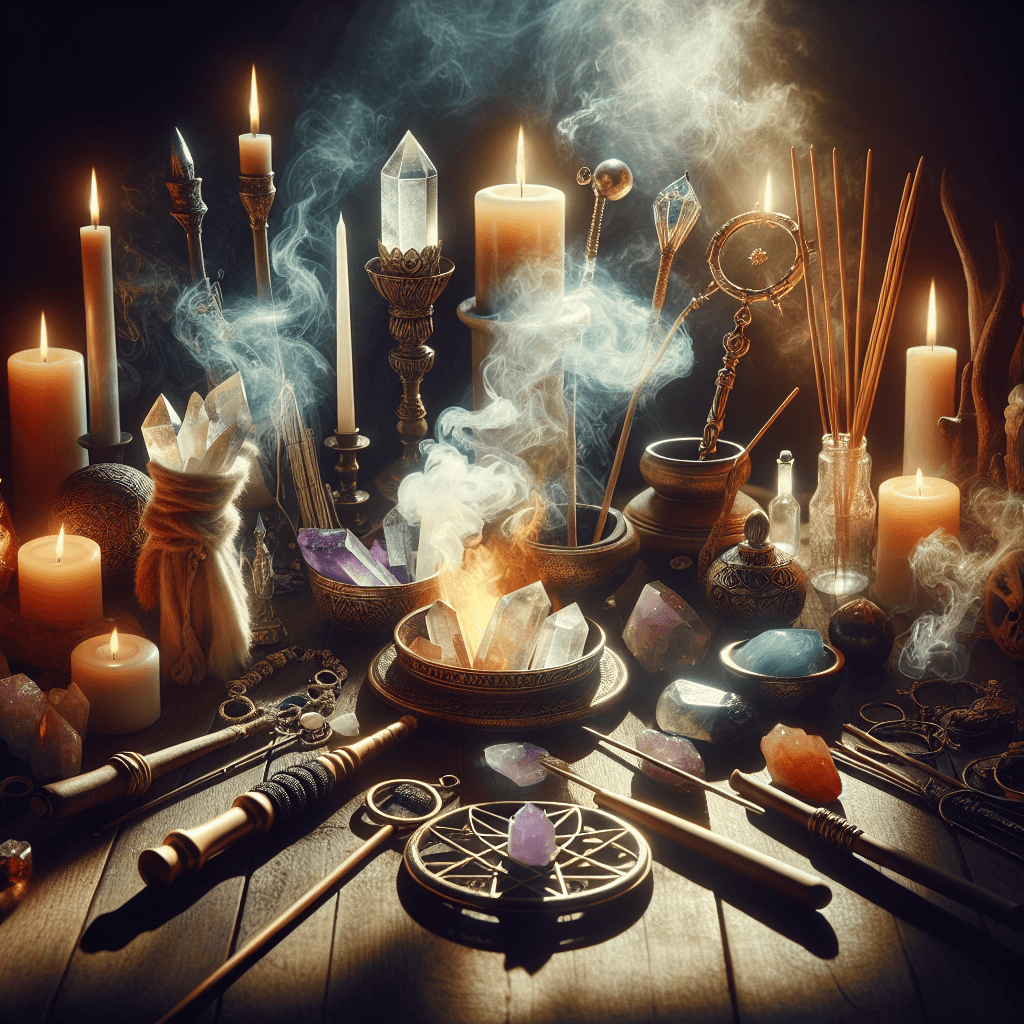
Cleansing new ritual tools requires intentional purification methods that remove unwanted energy while preparing these sacred implements for magical work. The process involves distinct steps: cleansing removes old or negative energy, consecration dedicates tools to sacred use, and charging fills them with positive intention. You accomplish this through various elemental methods including smoke, salt, water, sound, earth burial, and moonlight exposure. Each method serves specific purposes and works better with certain materials, so understanding your tools’ composition helps you choose the most effective approach.
Cleansing New Ritual Tools

When you acquire new ritual tools, they carry energy from their previous environment, manufacturing process, and everyone who handled them before reaching you. This accumulated energy interferes with your magical work and creates energetic static that blocks clear intention. Start your cleansing process by creating sacred space around yourself and your tools. Clear your altar or workspace with incense smoke or by sprinkling blessed water around the perimeter. Hold each tool individually while focusing your intention on releasing any foreign energy it holds. Visualize white or golden light flowing through the object, pushing out any darkness, confusion, or negativity that lingers within its structure.
The cleansing process works best when you remain present and focused throughout, treating each tool with respect and gratitude. Some practitioners prefer to cleanse tools immediately upon bringing them home, while others wait for specific lunar phases or sabbats that align with their practice. The timing matters less than your focused intention and the thoroughness of your cleansing work. After cleansing, store your tools in a clean cloth or dedicated space where they won’t accumulate new unwanted energy before their first use. This preparation period allows the tools to settle into their purified state and align with your personal energy signature. Remember that cleansing new ritual tools establishes the foundation for all future magical work with these implements.
DIY Cauldron Consecration and Dedication Rituals: Preparing Your Sacred Vessel for Use
The cauldron holds special significance in pagan traditions as a vessel of transformation that bridges the elements of fire and water through its form and function. Your cauldron consecration begins with thorough cleansing using smoke from sage, cedar, or frankincense burned directly within the vessel itself. Place a small piece of charcoal in the bottom of your cauldron and light herbs on top, allowing the smoke to fill and overflow from the interior surfaces. This method cleanses both the physical structure and the energetic space within the cauldron. After smoke cleansing, sprinkle sea salt around the rim and interior, letting it sit for several hours before brushing it away with a clean cloth. The salt draws out any remaining stagnant energy while the earth element grounds your cauldron’s power.
Create your dedication ritual by filling the cauldron with spring water and floating a white candle in the center. Light the candle while stating your intention for how you will use this sacred vessel in your practice. Speak directly to the cauldron, welcoming it into your magical family and explaining its role in your spiritual work. Common dedications include using the cauldron for burning petitions, mixing magical ingredients, holding offerings for deities, or serving as a scrying tool when filled with dark water. The iron construction of traditional cauldrons makes them excellent grounding tools that safely contain fire energy while connecting to earth element properties. Your dedication creates an energetic contract between you and your cauldron, establishing clear boundaries for its sacred use and ensuring it serves your highest magical purpose.
Essential Purification Methods for Fresh Magical Implements

Purification 7 Day Soy Herbal & Scented Spell Candle | Negativity & Cleansing Rituals | Wiccan Pagan Conjure Hoodoo
View ProductDifferent cleansing methods work better for specific types of ritual tools based on their materials, size, and intended magical purpose. Smoke cleansing suits nearly all tools and provides immediate purification through the air element. Pass each implement through smoke from burning sage, palo santo, rosemary, or frankincense while visualizing unwanted energy lifting away on the smoke. Sage offers powerful purification for heavily contaminated tools, while rosemary provides gentle ongoing maintenance suitable for regular cleansing cycles. Palo santo restores energetic balance after clearing and works well for delicate or antique tools.
Salt cleansing draws negative energy through absorption but requires caution with metal tools that corrode when exposed to salt for extended periods. Create salt circles around your tools or place them in bowls of sea salt for twenty four hours, then brush away all salt residue with a clean cloth. Water cleansing carries away unwanted energy through the natural flow of this element, but research your tools’ materials first since some woods, metals, and stones suffer damage from moisture exposure. Running water provides stronger cleansing than still water, so hold waterproof tools under a faucet or natural stream while focusing your intention.
Sound cleansing works through vibrational frequency that breaks up stagnant energy patterns without physical contact. Ring bells over your tools, strike singing bowls nearby, or use recorded sacred music during your cleansing ritual. Earth burial offers deep purification for tools that need intensive cleansing, requiring you to wrap implements in natural cloth before burying them for one night to a full lunar cycle. Moonlight exposure provides the gentlest method, suitable for all materials and particularly effective during full moon phases when lunar energy peaks.
Common Ritual Tool Cleansing Practices
Experienced practitioners develop systematic approaches to cleansing new ritual tools that combine multiple purification methods for comprehensive energy clearing. The standard three step process includes cleansing to remove unwanted energy, consecration to dedicate tools for sacred use, and charging to fill them with positive intention aligned with your magical goals. Begin by purifying your sacred space with water and salt representing earth element, then with incense smoke representing air element, and finally with candle flame representing fire element. This elemental cleansing prepares your workspace and creates protective boundaries around your ritual area.
Arrange your new tools on a clean altar cloth and address each implement individually, speaking aloud your intention to cleanse and consecrate it for sacred work. Sprinkle blessed water over each tool while invoking elemental guardians or deities associated with your spiritual path. Some practitioners call upon specific goddesses or gods during this process, asking for their blessing on the tools and their future magical applications. The consecration phase transforms ordinary objects into sacred implements through your focused intention and spiritual authority. State clearly how you will use each tool, what types of magical work it will support, and what ethical boundaries guide its application. Record these dedications in your magical journal for future reference and to maintain consistency in your practice.

New Age Smudges & Herbs-White Sage Mix w/Lavender, Lemon Slice & Palo Santo Sage 4 inch Incense Smudge Bundle w/Florida Water 2oz Bottle- Cleansing Sage Incense & Water, Smudging Rituals. (FW-KIT-01)
View ProductCharging completes the preparation by filling your tools with positive energy aligned with your personal magical signature. Hold each implement while visualizing bright light flowing from your hands into the object, programming it with your specific energy frequency. This final step creates an energetic bond between you and your tools that enhances their effectiveness in future magical work.
The proper preparation of ritual tools forms the foundation of effective magical practice, yet many practitioners rush through these essential steps without fully understanding their importance. Which cleansing method resonates most strongly with your personal practice, and how will you adapt these traditional techniques to match your unique spiritual path?
Related Items:

Lilly Dupres
Owner & AuthorLilly Dupres, a lifelong practitioner of paganism, established Define Pagan to offer a clear definition of paganism and challenge misconceptions surrounding modern pagan lifestyles.


