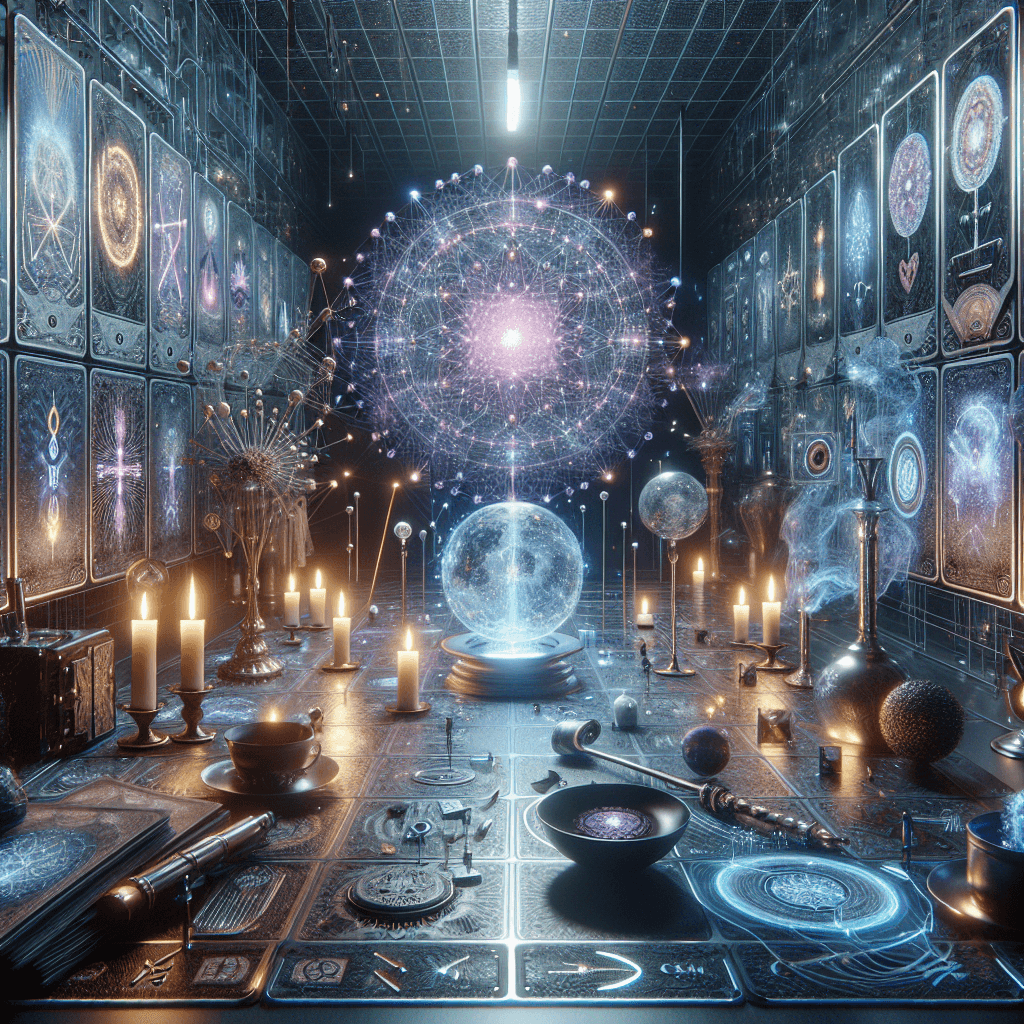
What Do AI Tarot Card Meanings Mean and How Accurate Are They Compared to Human Readers?
AI tarot card meanings represent a fascinating fusion of ancient wisdom and cutting-edge technology, where sophisticated algorithms interpret traditional tarot symbolism through machine learning, natural language processing, and vast databases of historical tarot knowledge. These digital divination systems work by analyzing your questions using natural language processing to identify intent and keywords, then drawing cards through randomized cryptographic methods that mirror the shuffling process of physical decks. The AI generates interpretations by mapping relationships between card images and their symbolic meanings, essentially simulating aspects of human intuitive reasoning through pattern recognition and data analysis. While these systems can achieve remarkable consistency in matching traditional card meanings with up to 95% accuracy, they fundamentally differ from human readers because they lack genuine intuitive insight, emotional connection, and the ability to respond adaptively to subtle energetic cues during a reading session. The accuracy comes from their ability to process enormous amounts of tarot data without the bias of mood or fatigue, but they cannot replicate the empathetic, interactive guidance that human readers provide through dynamic response to a client’s emotional state and energy.
AI-Generated Tarot Guide Divination, Digital Tarot Interpretation Accuracy, Artificial Intelligence Spiritual Readings, Automated Card Meaning Analysis

Tarot and Divination Cards: Stunning historical tarot decks and fortune-telling cards from mystical traditions worldwide.
View Product →The landscape of AI tarot card meanings has evolved dramatically as machine learning algorithms become increasingly sophisticated in their understanding of symbolic language and archetypal patterns. These digital divination systems operate by combining machine learning with extensive tarot knowledge bases, creating a comprehensive framework for symbolic analysis and pattern recognition of card combinations. When you pose a question to an AI tarot system, natural language processing algorithms dissect your inquiry to understand not just the literal words but the underlying emotional context and spiritual seeking behind your question. The AI then accesses vast databases containing centuries of tarot wisdom, from traditional Rider-Waite interpretations to more modern psychological approaches, weaving together multi-layered analyses that incorporate numerology, astrology, and historical context.
Advanced AI tarot tools go beyond basic card meanings by offering customization based on your mood, previous interactions, and even the time of day you’re seeking guidance. This personalization creates a more tailored spiritual experience that can adapt to your individual journey and growth patterns. However, it’s crucial to understand that these interpretations emerge from pattern-based algorithmic outputs rather than genuine spiritual intuition or emotional attunement. The AI excels at identifying symbolic connections and providing consistent interpretations free from human bias, but it cannot tap into the subtle energetic exchanges that occur between a human reader and seeker. Digital interfaces through apps and websites make this technology accessible instantly, allowing modern pagans to engage with tarot wisdom whenever inspiration strikes, whether at 3 AM during a moment of clarity or during a lunch break when seeking guidance on a pressing decision.
AI Tarot Reading Accuracy

Tarot Cards for Beginners, Classic Tarot Deck with Meanings, Durable Cards with Guide Book, Black
View Product →Machine learning divination precision represents both the greatest strength and most significant limitation of AI tarot systems in contemporary spiritual practice. Studies and extensive user feedback suggest that AI tarot can achieve approximately 90-95% accuracy in standard card meaning application and pattern recognition of traditional spreads, a remarkable achievement that stems from their ability to process and synthesize vast amounts of tarot knowledge without human limitations like fatigue, personal bias, or emotional overwhelm. These systems excel at maintaining interpretive consistency across thousands of readings, drawing upon extensive historical tarot data and sophisticated algorithms that map relationships between card images and their symbolic meanings with mathematical precision.
The accuracy particularly shines in the AI’s ability to identify traditional card combinations, recognize archetypal patterns, and provide coherent interpretations that align with established tarot wisdom passed down through generations of readers. User feedback consistently highlights instant access, objective and unbiased interpretations, and cost-effective availability as key strengths that make AI tarot particularly appealing for regular spiritual practice and self-reflection. The algorithms demonstrate remarkable skill at combining multi-layered analysis of card meanings, incorporating astrological correspondences, numerological significance, and elemental associations to create rich, contextually relevant readings.
However, this precision comes with inherent limitations that fundamentally distinguish AI accuracy from human reader effectiveness. AI systems tend to use safer, more generalized language to avoid emotional discomfort or psychological complexity, whereas experienced human readers can challenge seekers and hold space for difficult truths that promote genuine spiritual growth. The machine learning algorithms, while incredibly sophisticated, cannot replicate the intuitive leaps, energetic sensitivity, and empathetic resonance that characterize the most transformative tarot experiences. AI readings serve as powerful tools for self-reflection and spiritual exploration, but they function best as advanced technological aids rather than definitive predictive oracles or substitutes for the profound human connection that occurs in traditional tarot sessions.
The evolution of AI tarot card meanings continues to bridge ancient wisdom with modern technology, creating unprecedented opportunities for spiritual seekers to access divination guidance while raising important questions about the nature of intuition and spiritual connection in our increasingly digital world. Are you ready to explore how AI tarot might enhance your own spiritual practice and discover where technology meets ancient wisdom?
Related Items:

Lilly Dupres
Owner & AuthorLilly Dupres, a lifelong practitioner of paganism, established Define Pagan to offer a clear definition of paganism and challenge misconceptions surrounding modern pagan lifestyles.