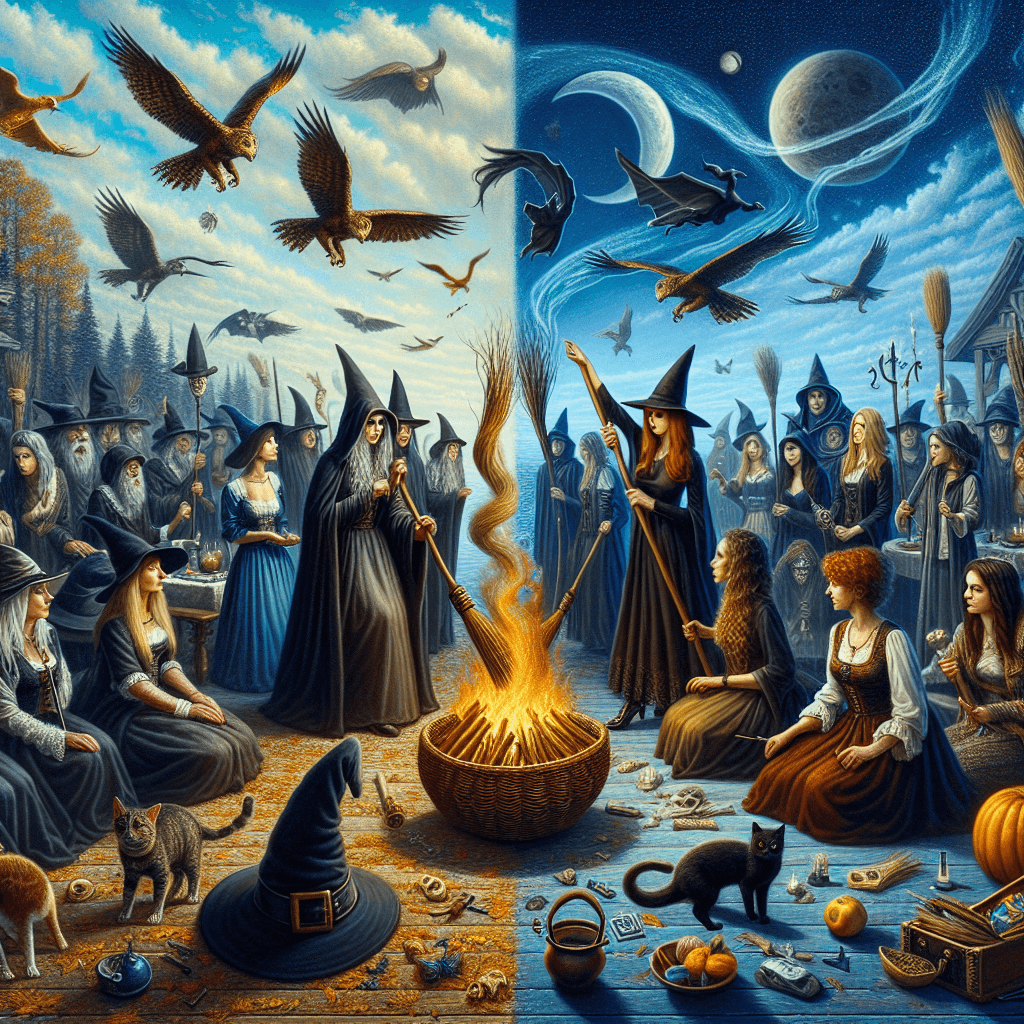
Group Ritual Boundaries and Consent: Best Practices for Sacred Settings
Setting Sacred Circle Boundaries

Sacred Serum Organic Botanical Face Oil, 50ml | Hydrates, protects, luxury skincare, formulated by an herbalist
View Product →The physical act of creating sacred space forms the cornerstone of group ritual work. Beyond just marking territory with salt lines or candles, these boundaries represent agreements between participants about acceptable conduct and interaction. Clear boundaries help maintain focus and prevent unwanted energetic interference while fostering an atmosphere of trust. Practitioners often combine traditional tools like athames or wands with modern methods of space designation, adapting ancient wisdom to serve contemporary needs. This fusion of old and new techniques creates powerful containment that supports the work while keeping participants safe on multiple levels.
Wiccan Circle Protection Methods
Traditional circle casting involves intricate layers of protection through elemental invocation, energetic shielding, and physical demarcation. Each layer serves a specific purpose in maintaining group cohesion and safety. The four quarters – East, South, West, and North – are called to witness and ward the working space. This systematic approach ensures that everyone understands their role and position within the circle. Group leaders must clearly communicate expectations about movement, interaction, and appropriate conduct once the circle is cast. This structured framework allows participants to fully engage while feeling secure in their boundaries.
Ritual Safety Guidelines Paganism
Safety protocols extend beyond physical space into the realm of emotional and energetic well-being. Each participant deserves agency over their involvement level and personal boundaries. Regular check-ins before, during, and after rituals help maintain consent and comfort. Group leaders should establish clear signals for participants to indicate discomfort or desire to step back. Creating an environment where people feel empowered to express their needs without judgment strengthens the entire group. This culture of respect and autonomy ensures that sacred work remains positive and transformative for all involved.
Consent Culture in Coven Settings
Building lasting trust within spiritual groups requires ongoing dialogue about boundaries and consent. Covens benefit from establishing clear guidelines about membership, visitor participation, and decision-making processes. Regular discussions about comfort levels, triggers, and personal limits help prevent misunderstandings and maintain group harmony. Leadership must model consent culture by respecting individual choices and supporting those who need to modify their participation. This foundation of mutual respect strengthens both the group’s magical work and its interpersonal bonds.
Protecting Magical Workings Space

Pure Organic Moringa Oil with Blue Lotus Flower – Deep Hydrating & Anti-Aging Ritual Oil for Skin, Hair & Nails – Premium 100% Cold Pressed Moringa Seed Extraction, Nourishes & Hydrates Skin 2oz.
View Product →The energetic maintenance of ritual space demands attention to both subtle and practical considerations. Space clearing, protection work, and boundary reinforcement should become regular practices. Groups must address both physical safety and psychic hygiene to maintain a healthy working environment. Clear protocols for entering and leaving sacred space help maintain energetic integrity while respecting individual needs. Establishing group ritual boundaries and consent practices creates sustainable, thriving spiritual communities where everyone can safely explore their path.
Ready to deepen your understanding of sacred boundaries and group ritual work? Join our community discussion on implementing consent culture in spiritual practice and share your experiences with creating safe ritual spaces.
Related Items:

Lilly Dupres
Owner & AuthorLilly Dupres, a lifelong practitioner of paganism, established Define Pagan to offer a clear definition of paganism and challenge misconceptions surrounding modern pagan lifestyles.