
What colors should I use for altar cloths during different seasons and holidays?
Understanding Traditional Liturgical Colors
Seasonal altar cloth colors follow specific traditions that transform sacred spaces through meaningful symbolism. Drawing from Christian liturgical practices standardized since the 12th century, these colors emphasize purple for preparation, white and gold for joy, green for growth, and red for the Holy Spirit or martyrdom. Each hue carries deep spiritual significance that enhances your altar’s energy and connects your practice to the natural rhythms of the year.
Traditional liturgical colors provide the foundation for seasonal altar cloth selection. Purple or violet represents penance and royalty, while white and gold symbolize purity and joy. Green embodies growth and hope, red signifies the Holy Spirit and blood, blue offers Advent hope in some traditions, rose or pink marks special Sundays, and black represents mourning. These colors work together to create a visual language that speaks to different aspects of spiritual practice throughout the year.
Seasonal Color Associations
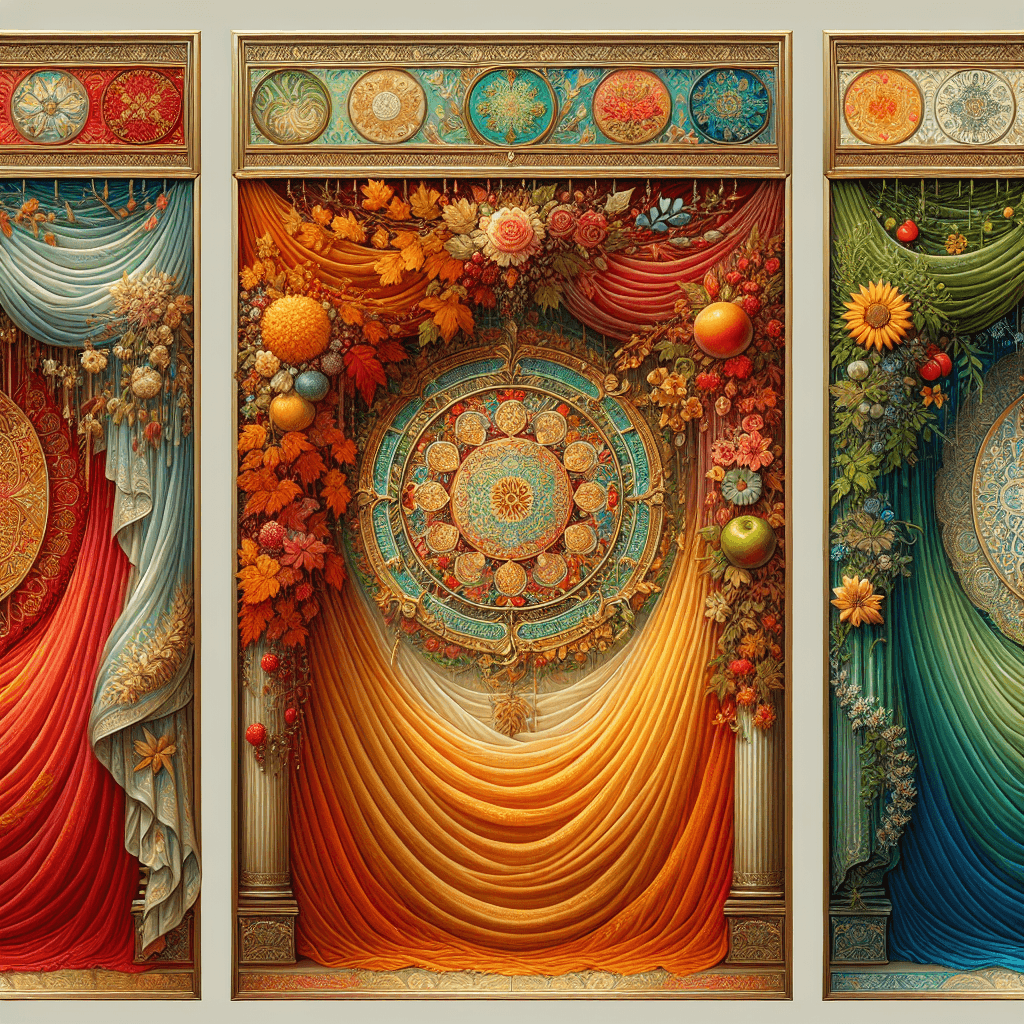
The primary seasons each carry their own color associations. Advent uses purple, violet, or dark blue with occasional rose accents. Christmas celebrates with white or gold. Epiphany and Ordinary Time embrace green with white highlights. Lent returns to purple and violet with rose on the fourth Sunday. Holy Week shifts to red or black depending on the specific day. Easter rejoices in white or gold, Pentecost blazes with red, and the long Ordinary Time season continues with green.
These seasonal altar cloth colors create powerful transformations in sacred spaces by engaging your senses and establishing spiritual rhythm. The visual cues help orient your practice to seasonal themes of penance, celebration, and renewal. When you change your altar cloth colors with the seasons, you participate in an ancient tradition that connects your personal practice to larger spiritual cycles that have guided practitioners for nearly a millennium.
Traditional Spring Altar Colors
Spring altar colors reflect the profound spiritual journey from preparation through resurrection that defines this transformative season. Purple and violet dominate the early spring months during Lent, creating an atmosphere of penance, sacrifice, and inner preparation that mirrors nature’s own period of awakening. These deep, rich hues encourage contemplation and spiritual discipline as you prepare for the renewal that Easter brings. The purple altar cloth serves as a daily reminder of the importance of reflection and spiritual cleansing during this preparatory time.
Rose makes its appearance on Laetare Sunday, the fourth Sunday of Lent, offering a gentle break in the penitential mood with its soft, hopeful energy. This lighter shade acknowledges the approaching joy of Easter while maintaining the contemplative spirit of the Lenten season. Rose altar cloths provide visual relief and emotional uplift during the midst of the spiritual preparation period, reminding practitioners that joy lies ahead even in times of discipline and self-examination.
The dramatic shift to white and gold for Easter transforms your sacred space completely, reflecting the joy and triumph of resurrection. White altar cloths symbolize purity, new life, and the victory of light over darkness that Easter celebrates. Gold adds richness and glory to the altar, emphasizing the divine nature of the resurrection and the precious gift of renewed life. These bright, celebratory colors create an immediate visual impact that elevates the energy of your sacred space and reflects the profound spiritual significance of the Easter season.
The interplay between these spring colors creates a powerful narrative arc that follows the natural progression from winter’s end through spring’s full flowering. Your altar becomes a focal point that tells the story of death and rebirth, preparation and celebration, discipline and joy. By following these traditional spring altar color patterns, you align your practice with both natural seasonal rhythms and centuries of spiritual tradition, creating a sacred space that supports and enhances your spiritual journey through this transformative time of year.
Summer Solstice Cloth Hues
Summer solstice altar cloths draw their inspiration from the peak of solar energy and the celebration of light that characterizes this powerful seasonal turning point. Red emerges as a dominant color during this period, connecting to the Pentecost celebration that often falls in late May or early June. This vibrant hue represents the fire of the Holy Spirit and the passionate energy of summer’s full expression. Red altar cloths create an atmosphere of power, vitality, and spiritual fire that matches the intensity of the sun at its strongest point in the yearly cycle.
Green continues its presence during the summer months as Ordinary Time extends through much of the season, representing the abundant growth and flourishing that summer brings. Green altar cloths during summer connect your practice to themes of spiritual growth, hope, and the life force that reaches its peak during these months. The color reflects the lush vegetation and agricultural abundance that summer provides, reminding practitioners of the spiritual harvest that comes from consistent practice and dedication throughout the year.
Gold accents and highlights become particularly meaningful during the summer solstice period, as they directly reflect the solar symbolism that defines this celebration. Gold altar cloth elements or trim enhance the connection to light, divine radiance, and the illuminating power of spiritual wisdom. The precious metal quality of gold also speaks to the value and treasure of spiritual insight gained through practice, making it an ideal accent color for summer altar arrangements that honor the sun’s peak power.
The combination of red, green, and gold creates a rich tapestry of summer energy that transforms your sacred space into a celebration of life force and spiritual vitality. These summer solstice cloth hues work together to create an atmosphere that honors both the external celebration of solar power and the internal cultivation of spiritual fire. Your altar becomes a focal point for harnessing the abundant energy available during summer’s peak, supporting practices that emphasize growth, manifestation, and the full expression of your spiritual potential during this season of maximum light and energy.
Autumn Harvest Fabric Shades
Autumn harvest altar cloths embrace the rich, deep colors that reflect both the abundance of the harvest season and the approaching time of spiritual preparation. Green maintains its presence throughout much of autumn as Ordinary Time continues, but the quality of green shifts to reflect the season’s character. Deeper, more mature shades of green work well during autumn, representing the fullness of spiritual growth and the wisdom gained through a year of practice. These harvest greens connect your altar to themes of gratitude, abundance, and the fruits of spiritual labor that autumn celebrates.
Earth tones begin to make their appearance as autumn progresses, with unbleached linen, warm browns, and muted golds reflecting the natural colors of fallen leaves and harvested grains. These colors ground your practice in the seasonal energy of gathering, storing wisdom, and preparing for the introspective period ahead. Autumn altar cloths in these earthy shades create an atmosphere of stability and connection to the natural world’s cycles of abundance and rest.
Red appears in autumn altar arrangements both through martyrs’ feast days and as a representation of the life force that has reached its full expression before the coming winter rest. Deep burgundy and wine-colored altar cloths work particularly well during autumn, offering the richness of red while reflecting the deeper, more mature energy of the season. These shades connect your practice to themes of sacrifice, transformation, and the wisdom that comes from fully experiencing life’s cycles.
The transition toward purple begins in late autumn as Advent approaches, creating a gradual shift from harvest abundance to winter preparation. This color transition reflects the spiritual journey from gratitude for the year’s blessings to preparation for renewal and rebirth. Autumn altar cloths that incorporate deep purples alongside harvest colors help bridge the seasonal transition, maintaining connection to autumn’s abundance while beginning to orient your practice toward the contemplative preparation that winter brings. These autumn harvest fabric shades create a sacred space that honors both the season’s gifts and the spiritual preparation necessary for continued growth.
Winter Sacred Textile Tones
Winter sacred textile tones create an atmosphere of contemplation, preparation, and eventual celebration that defines the spiritual journey through the darkest months of the year. Purple and deep blue dominate the early winter period during Advent, establishing an atmosphere of royal anticipation and spiritual preparation. These rich, deep colors encourage introspection and create a sense of sacred waiting that matches the season’s natural rhythm of rest and inner focus. Purple altar cloths during Advent connect your practice to themes of preparation, humility, and the patient cultivation of spiritual readiness for transformation.
The dramatic shift to white and gold during the Christmas season transforms winter altar spaces into celebrations of light triumphant over darkness. White altar cloths during Christmas represent purity, divine presence, and the hope that emerges even in the deepest winter. Gold adds richness and celebration to winter altars, emphasizing the precious nature of spiritual illumination and the treasure of divine presence during the season when external light is most scarce. These bright, celebratory colors create powerful contrast with winter’s natural darkness.
Blue takes on special significance during winter, particularly in traditions that use it for Advent. Deep navy and royal blue altar cloths create an atmosphere of hope and steadfast faith during the season of waiting and preparation. Blue connects your practice to themes of trust, divine protection, and the vast mystery of spiritual transformation that winter’s darkness conceals. The color provides a sense of depth and contemplation that supports the inner work that winter encourages.
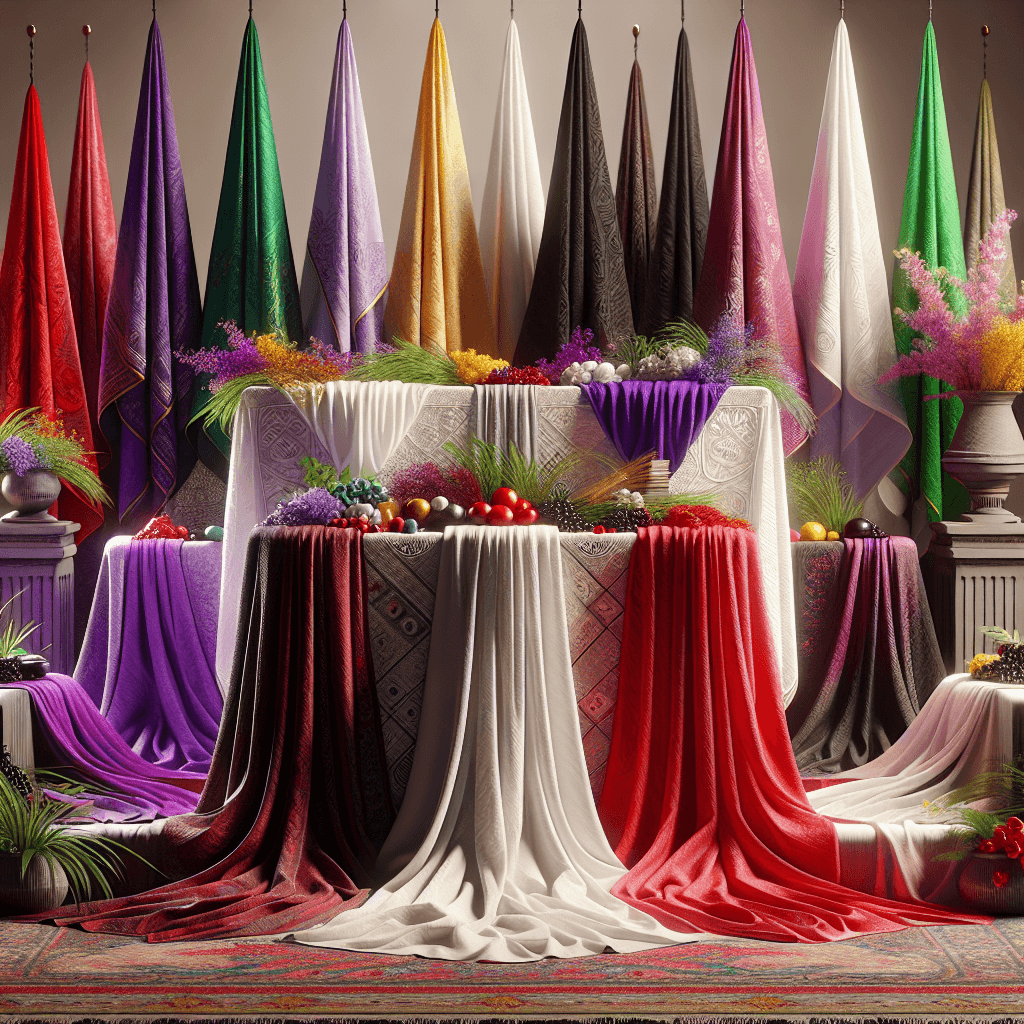


Black appears in winter altar arrangements during solemn observances, representing the mystery of death and transformation that winter embodies. Black altar cloths acknowledge the necessary darkness that precedes new growth and the deep rest that allows for spiritual renewal. The color creates space for confronting shadow aspects of spiritual practice and embracing the complete cycle of death and rebirth that winter teaches. Winter sacred textile tones work together to create a sacred space that honors both the season’s challenges and its profound gifts of inner transformation and spiritual renewal.
How Altar Cloths Transform Sacred Spaces
Altar cloths transform sacred spaces through their ability to engage multiple senses simultaneously while creating immediate visual cues that orient your practice to seasonal spiritual rhythms. The texture, color, and symbolic meaning of altar cloths work together to establish atmosphere and focus attention on the sacred work at hand. When you change altar cloths with the seasons, you create a visual rhythm that supports your spiritual practice and connects your personal devotion to larger cycles of time and meaning that have guided practitioners for centuries.
The psychological impact of seasonal altar cloth colors operates on both conscious and unconscious levels, affecting mood, attention, and spiritual receptivity in measurable ways. Purple altar cloths naturally encourage contemplation and introspection, while white and gold cloths elevate energy and create feelings of celebration and joy. Green altar cloths promote feelings of growth and hope, while red cloths stimulate passion and spiritual fire. These color associations work automatically to support the spiritual themes of each season without requiring conscious effort or awareness.
Historical traditions surrounding altar cloth colors provide connection to centuries of spiritual practice and collective wisdom about seasonal spiritual rhythms. The systematization of liturgical colors in the 12th century created a shared language of spiritual symbolism that transcends individual practice and connects modern practitioners to ancient wisdom. When you use traditional seasonal altar cloth colors, you participate in this larger conversation and benefit from the accumulated spiritual insights of countless practitioners who have worked with these colors before you.
The practical aspects of changing altar cloths with seasons create regular opportunities for refreshing and renewing your sacred space while maintaining conscious connection to spiritual cycles. The physical act of changing cloths becomes a ritual in itself, marking transitions and creating awareness of time’s passage and spiritual development. This regular renewal prevents your altar from becoming stagnant while ensuring that your sacred space remains alive, responsive, and supportive of your evolving spiritual needs throughout the year.
Seasonal altar cloth colors offer a simple yet powerful way to deepen your spiritual practice and maintain connection to natural and spiritual rhythms throughout the year. Will you begin incorporating these traditional color patterns into your own sacred space to experience their transformative power firsthand?
Related Items:

Lilly Dupres
Owner & AuthorLilly Dupres, a lifelong practitioner of paganism, established Define Pagan to offer a clear definition of paganism and challenge misconceptions surrounding modern pagan lifestyles.


