
How to Decorate an Altar for Different Seasons Throughout the Year
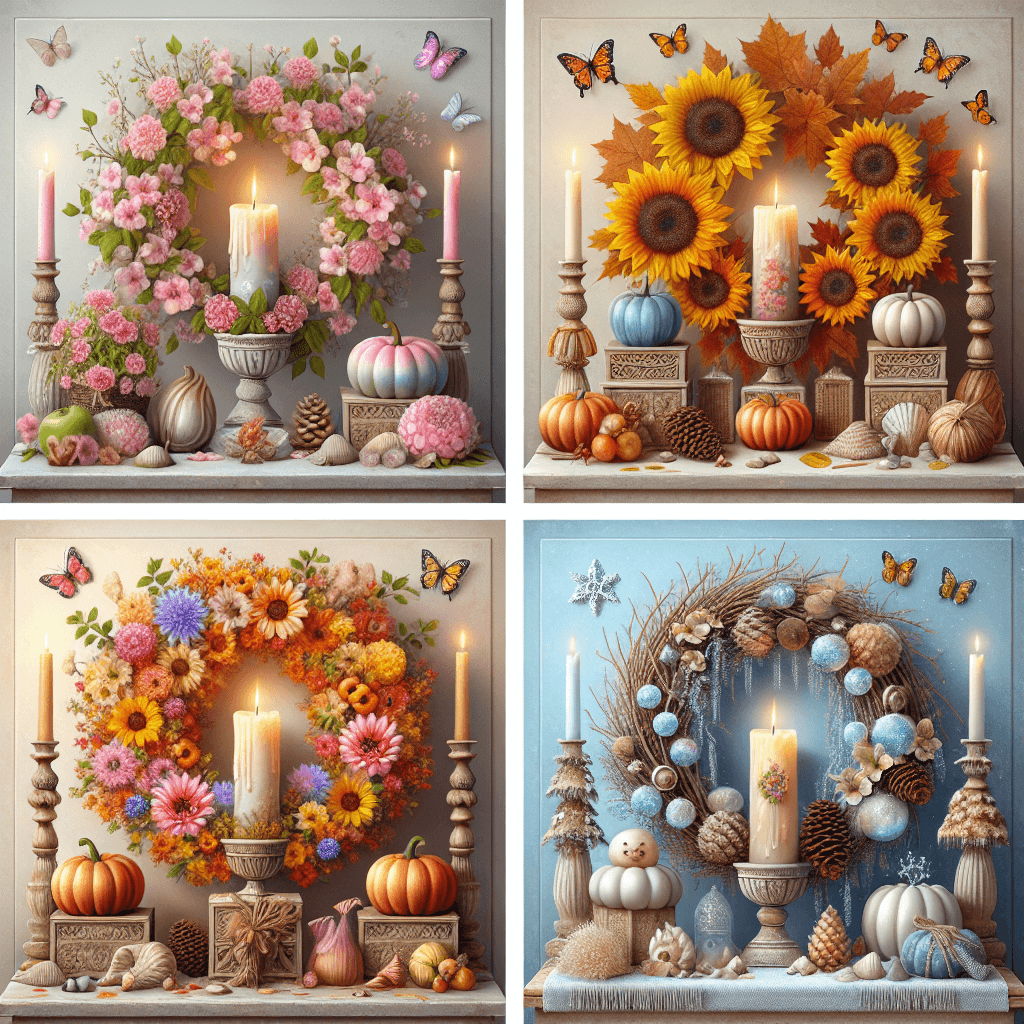
Creating a seasonal altar decorating guide begins with understanding that your sacred space should reflect the natural rhythms of the earth and the Wheel of the Year. Modern pagan practitioners rotate symbols, colors, candles, herbs, incense, crystals, and natural elements that capture each season’s essence throughout the eight sabbats. Start with a clean cloth in seasonal colors as your foundation, then add central candles for the sabbat’s deity or energy, followed by natural symbols like flowers, fruits, or grains. The key lies in arranging items harmoniously while aligning with the four elements of Air, Earth, Fire, and Water or cardinal directions, always infusing your setup with personal intention for your rituals. Refresh your altar every six to eight weeks as you move through the festivals: Imbolc with white flowers representing the young sun, Ostara featuring eggs and pastels, Beltane adorned with ribbons and maypole symbols, Litha displaying sun symbols and gold accents, Lammas showcasing grains and bread, Mabon presenting leaves and gourds, Samhain honoring ancestors with pumpkins, and Yule celebrating the return of light with evergreens.
Spring Equinox Altar Setup
Spring equinox altar decoration centers on rebirth, renewal, and the perfect balance between light and darkness that Ostara brings to your practice. Begin your spring altar with a cloth in soft pastels or pure white to represent the emerging light after winter’s darkness, then place pastel or white candles as your centerpiece to symbolize the delicate balance between night and day. Fresh flowers and new greenery form the heart of your spring display, with daffodils, tulips, crocuses, and budding branches bringing the energy of awakening earth into your sacred space. Dyed eggs become powerful symbols on your Ostara altar, whether you choose naturally colored shells, painted designs, or even beeswax eggs that represent potential and new life waiting to emerge. Seeds planted in small pots of rich soil serve as living prayers for growth and manifestation, while crystals like amethyst for spiritual awakening, clear quartz for amplification, or green aventurine for heart opening enhance your spring intentions.
The goddess Eostre, deity of the dawn and spring’s return, receives honor through a chalice filled with fresh spring water or milk placed prominently on your altar. Spring baskets woven with fresh flowers or filled with painted eggs create focal points that draw the eye and heart toward themes of fertility and abundance. Rabbit figurines or images represent the fertility aspects of the season, while symbols of birds returning from migration remind you of nature’s cycles and the soul’s journey toward enlightenment. Position your altar near a window where morning sunlight touches your sacred items, allowing the rebirth energy of the season to literally illuminate your practice. Choose altar cloths in white, light green, sunny yellow, or pale pink to enhance themes of resurrection and renewal that follow winter’s introspective darkness. Your spring altar becomes a living testament to hope, growth, and the promise that follows every period of dormancy or struggle in your spiritual path.
Summer Solstice Sacred Decorations
Summer solstice altar arrangements celebrate the sun’s peak power and the earth’s full flowering during Litha, the longest day of the year when solar energy reaches its maximum potential. Your summer altar cloth should gleam in gold or vibrant yellow, creating a foundation that reflects the sun’s dominance and the abundant energy flowing through all living things. Sun symbols take center stage in your Litha display, whether crafted from metal, carved from wood, or painted on stones, each piece channeling the masculine solar energy that drives growth and manifestation. Place a red candle to honor the Sun God at his peak strength alongside a green candle representing the Earth Goddess in her full flowering, creating a divine marriage of sky and earth energies on your sacred space. Summertime herbs like jasmine for love and attraction, rose petals for beauty and passion, and lotus blossoms for enlightenment bring both fragrance and magical properties to your solstice celebration.

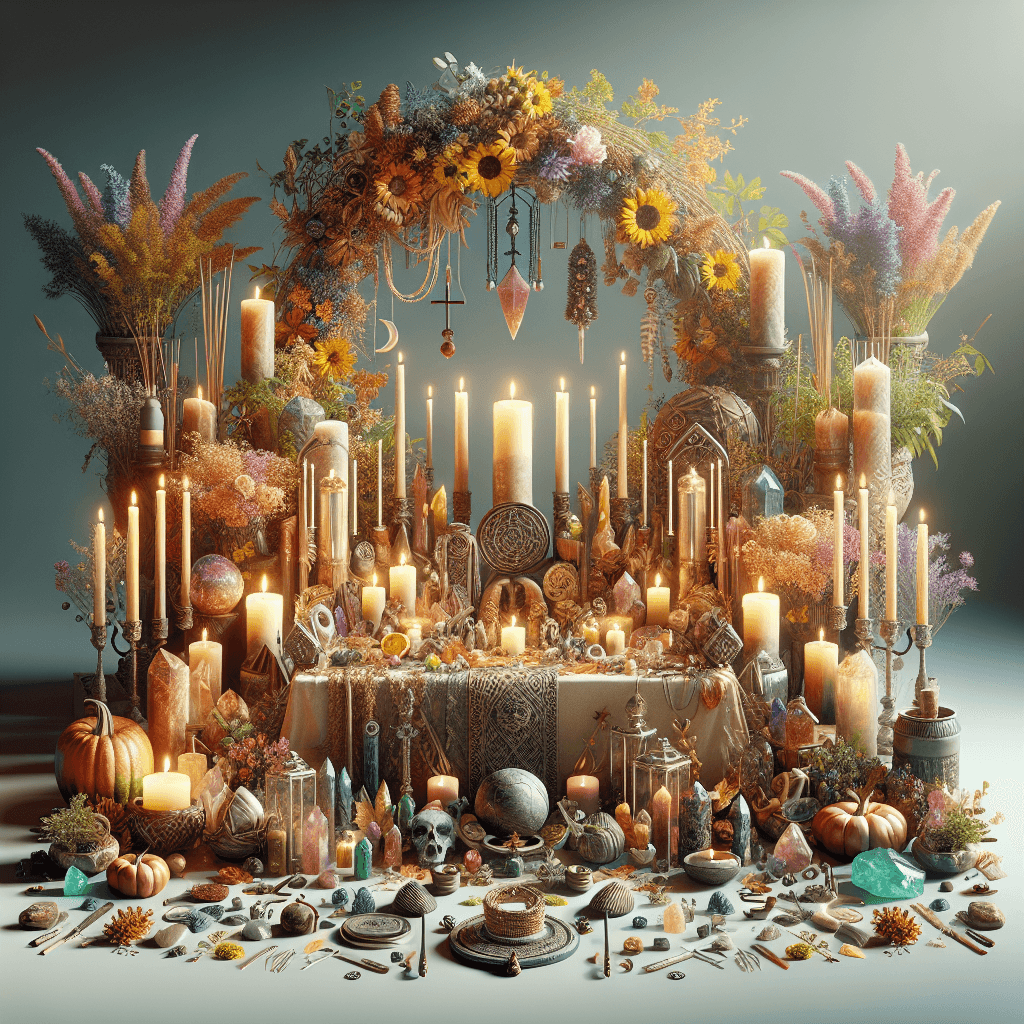
Fresh spring water in a clear bowl reflects light and provides the cooling balance that prevents fire energy from becoming overwhelming or destructive. Create small herb pouches filled with protective plants like St. John’s Wort, gathered at noon on the solstice when their power peaks, and place these talismans around your altar for protection and blessing. Bright ribbons in gold, red, orange, and yellow flutter from altar corners or wrap around candle holders, their movement catching every breeze and adding dynamic energy to your static display. Fresh flowers in vibrant summer colors, particularly sunflowers, marigolds, and red roses, create abundant displays that mirror nature’s own extravagant summer celebration. Burn frankincense to amplify solar energy and create sacred smoke that carries your prayers upward toward the sun’s peak position. Your summer altar should feel alive with movement, color, and the irrepressible energy of a season when all of nature reaches toward the light with unrestrained joy and abundant expression of life force energy.
Autumn Harvest Altar Arrangements
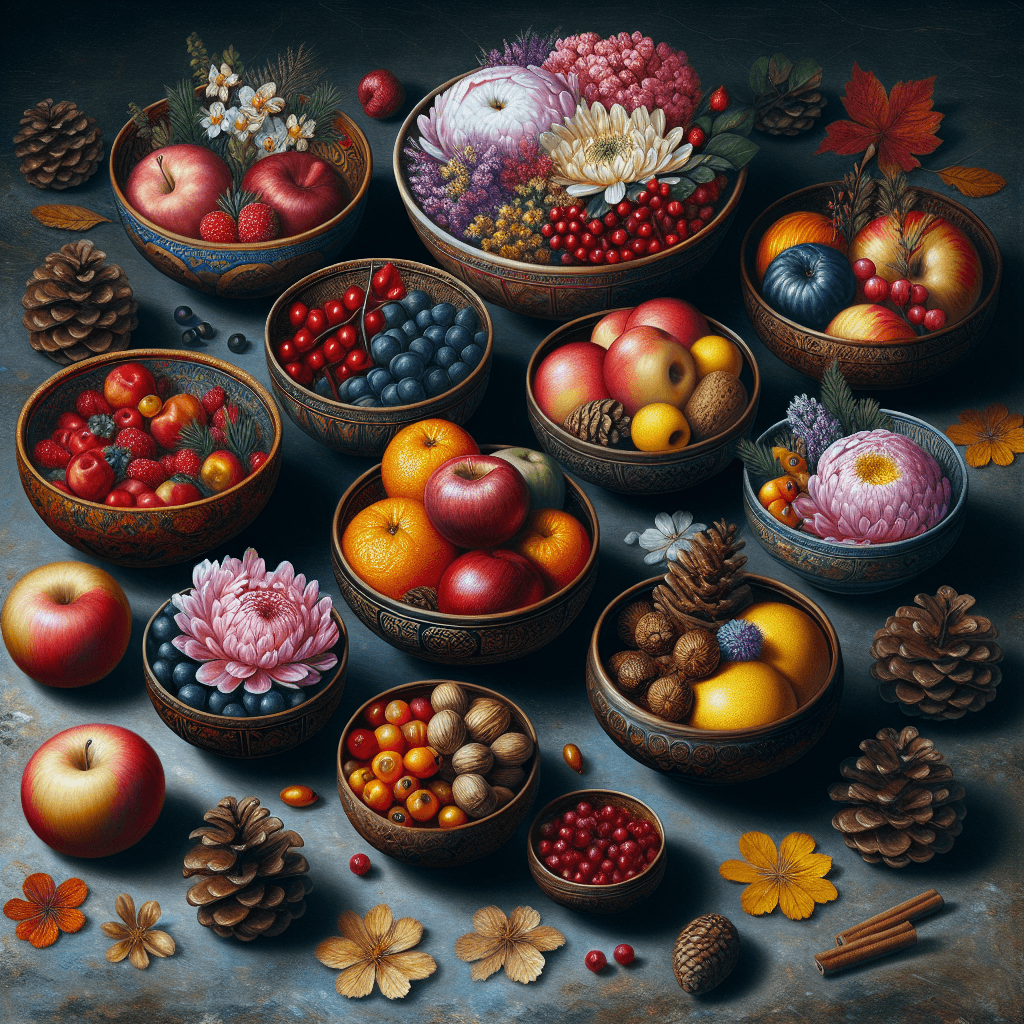
Autumn harvest altars honor the earth’s generosity during Mabon and Lammas, celebrating gratitude for abundance received while acknowledging the approaching season of rest and introspection. Drape your altar with rich cloths in deep red, burnt orange, golden yellow, or warm brown, colors that mirror the changing leaves and the earth’s shift toward dormancy and wisdom gathering. Grains become sacred offerings on your harvest altar, with sheaves of wheat, bowls of rice, fresh-baked bread, and bundles of corn representing the culmination of spring’s planting and summer’s tending in autumn’s reward. Fill your altar with the season’s bounty: crisp apples for knowledge and wisdom, ears of corn for prosperity, winter squash for abundance, ripe berries for sweetness in life’s challenges, and pomegranates with their hidden seeds representing the mysteries that lie beneath surface appearances. Acorns and pinecones scattered across your altar carry the promise of future growth hidden within protective shells, teaching patience and trust in natural cycles.
Gourds of various shapes and sizes create sculptural elements that celebrate the earth’s creativity and abundance, while fallen leaves in brilliant colors remind you of beauty in letting go and transformation. Ivy sprigs and branches gathered from your local landscape connect your indoor altar to the outdoor world where the season’s changes unfold most dramatically. Place a wicker basket at your altar’s center, filling it with the fruits of your personal harvest, whether literal garden produce or symbolic representations of what you’ve cultivated in your spiritual practice this year. Ring a small bell during your autumn rituals to give thanks for all you’ve received, while keeping your bolline or ritual knife nearby to symbolically cut away what no longer serves your growth. Warm earth tones dominate your color palette, creating a sense of groundedness and stability as the wheel turns toward winter’s introspective darkness. Burn sage, cedar, or pine incense to purify your space and connect with the wisdom of trees preparing for winter’s rest.
Winter Solstice Ritual Display
Winter solstice altar decoration welcomes back the light during Yule, the longest night when darkness reaches its peak before yielding to the sun’s slow return. Cover your altar with deep green cloth that represents the evergreen trees standing strong through winter’s challenges, providing hope and continuity when other plants rest beneath snow and frost. Evergreen boughs, holly branches with their bright red berries, and fragrant pine sprigs create the foundation of your Yule display, their living presence defying winter’s apparent death and reminding you that life persists even in the darkest times. Fashion a holly wreath as your altar’s centerpiece, its circular shape representing the eternal cycle of seasons and the promise that light always returns after darkness reaches its depths. Place twelve stones around your altar to represent the twelve hours of daylight that will slowly lengthen from solstice forward, each stone holding your intention for the returning light to illuminate a different area of your life or spiritual practice.
Light a gold pillar candle to welcome the sun’s return, positioning it where its flame becomes the focal point of your winter altar and the beacon that guides light back into the world. Surround this solar candle with black, white, and green taper candles representing the three aspects of the season: darkness acknowledged, purity maintained, and life enduring through apparent death. Fill a bowl with pine-scented water for blessing and purification, while preparing a plate of sand where you place small offerings like coins, crystals, or written prayers for the coming year’s growth. Burn pine or cedar incense to fill your space with the forest’s winter fragrance and create sacred smoke that carries your intentions toward the returning sun. Your Yule altar should progress from dark colors and symbols of introspection toward brighter elements representing hope and renewal, creating a visual story of the light’s return that mirrors your own spiritual journey through challenging times toward greater wisdom and illumination.
This seasonal altar decorating guide provides the foundation for creating sacred spaces that honor the earth’s rhythms throughout the year. Which season calls most strongly to your spirit, and how will you begin incorporating these natural cycles into your personal practice?
Related Items:

Lilly Dupres
Owner & AuthorLilly Dupres, a lifelong practitioner of paganism, established Define Pagan to offer a clear definition of paganism and challenge misconceptions surrounding modern pagan lifestyles.


