Understanding the Pentagram Embroidery Ritual Significance
The Spiritual Foundation of Pentagram Embroidery
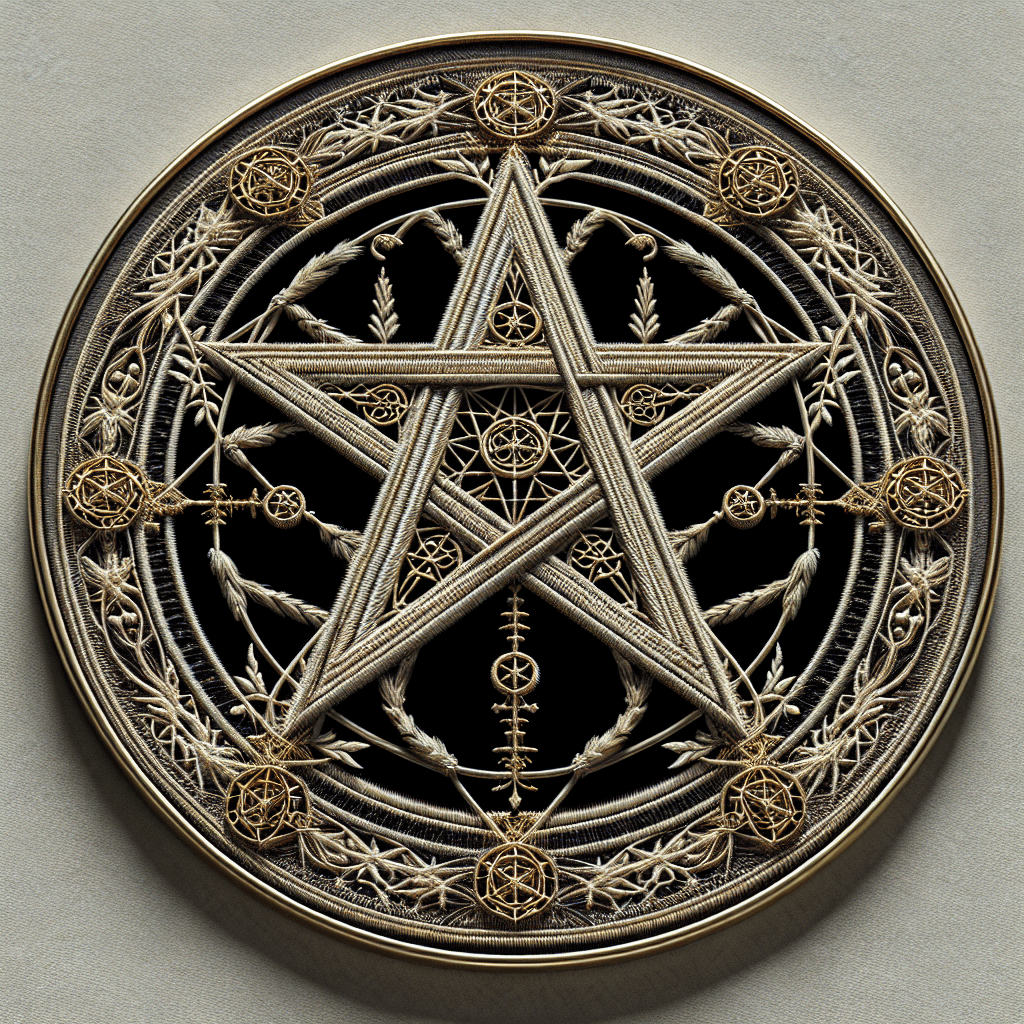
Understanding the pentagram embroidery ritual significance begins with recognizing how this five-pointed star transforms ordinary fabric into sacred spiritual tools for modern pagan practitioners. The spiritual meaning behind pentagram embroidery in modern pagan rituals connects directly to elemental balance and protective energy. When you stitch a pentagram into altar cloths, robes, or ritual tools, you create a physical anchor for the five elements: earth, air, fire, water, and spirit. Each point of the star represents one of these fundamental forces that pagans work with during ceremonies and meditation.
The act of embroidering itself becomes a moving meditation, allowing you to infuse your intentions directly into the fabric through repetitive, mindful stitching. Modern Wiccans and other pagan practitioners use these embroidered symbols to mark sacred spaces, create portable protection, and establish connection with divine energies. The pentagram serves multiple functions depending on its orientation and the ritual context. Upright pentagrams invite harmony and protection while repelling negative influences.
The embroidery process amplifies these properties because you invest time, energy, and intention into each stitch. Your needle becomes a ritual tool, similar to an athame or wand, directing energy into the fabric. This practice bridges ancient wisdom with contemporary spiritual needs, allowing you to carry sacred symbols wherever your spiritual journey leads. The finished embroidered pentagram holds your personal energy signature, making it more powerful for your individual practice than mass-produced alternatives.
Sacred Pentagram Stitching Techniques
The technical aspects of pentagram embroidery ritual significance require understanding both the spiritual methodology and practical stitching approaches that maximize ritual potency. Start your embroidered banishing earth pentagram by placing your needle at the bottom-right point, which represents the earth element. Move your thread upward to the top point representing spirit, then continue to the bottom-left, upper-right shoulder, upper-left shoulder, and back to your starting position. This creates the traditional banishing pattern while you visualize bright blue flames emanating from each completed stitch.
For invoking pentagrams, reverse this process by beginning at the spirit point and working downward to earth. Your needle becomes your ritual blade during this process, directing energy through the fabric with each pass. Choose thread colors that correspond to your intended elemental work: deep greens for earth energy, flowing blues for water, bright yellows or reds for fire and air respectively, and pure white or purple for spirit. The rhythm of your stitching creates a meditative state that opens your awareness to elemental energies.
After completing the pentagram, circumambulate your work three times while holding it, visualizing the symbol activating and beginning to glow with your chosen elemental colors. This walking meditation binds the energies you’ve stitched into the fabric, creating what practitioners call the endless knot effect. Your finished piece becomes a portable sacred circle that you place on altars, wear during rituals, or use to consecrate other magical tools. The key lies in maintaining focused intention throughout the entire stitching process, treating each thread pass as a deliberate magical act rather than simple needlework.
Historical Pentagram Textile Meanings
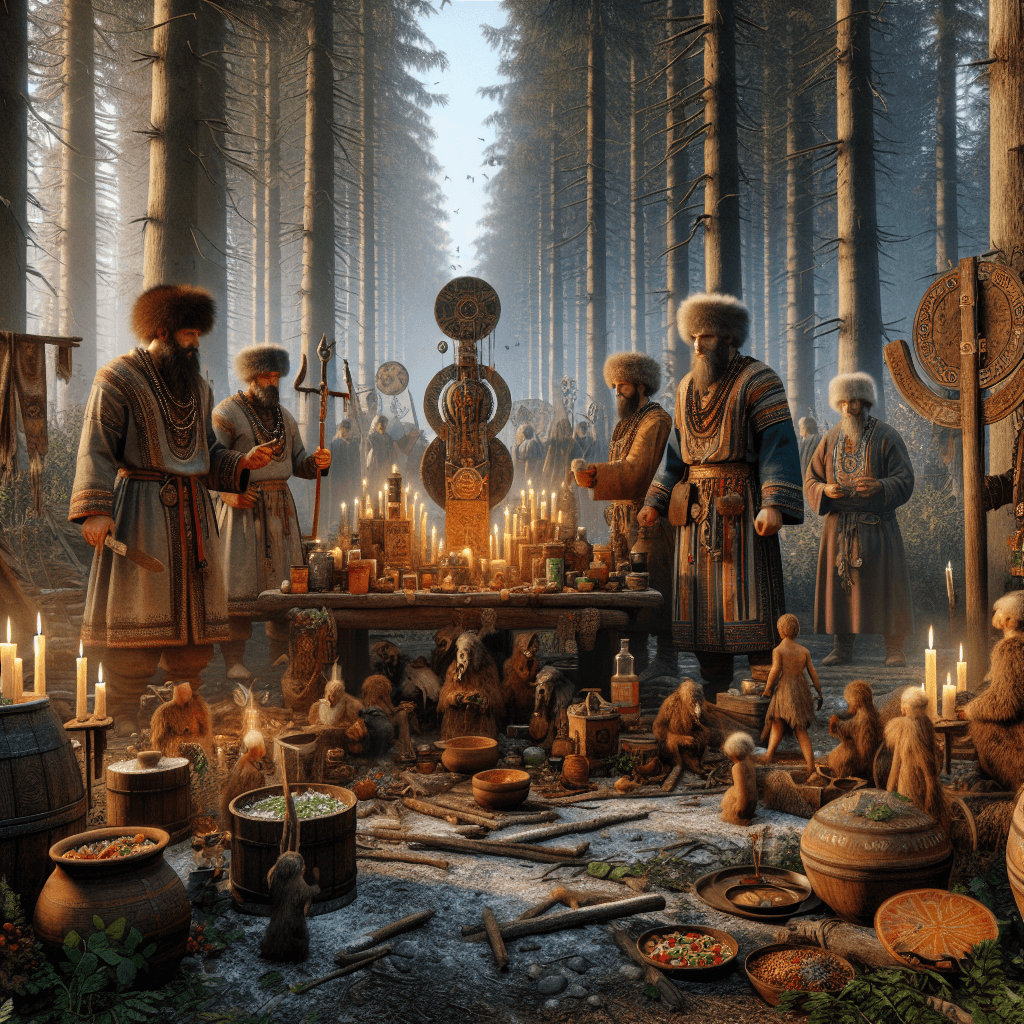
The pentagram embroidery ritual significance draws from thousands of years of textile traditions across diverse cultures and spiritual systems that recognized the five-pointed star’s protective and spiritual properties. Archaeological evidence shows pentagrams appearing on Sumerian pottery and textiles as early as 3500 BCE, where they represented the path of Venus across the night sky and honored the goddess Ishtar. Ancient Pythagorean communities embroidered pentagrams onto their ceremonial robes as symbols of health, mathematical perfection, and mutual recognition among initiates.
These Greek philosophers understood the pentagram’s connection to the golden ratio and considered it a representation of the human form with arms and legs outstretched. Medieval knights incorporated pentagram embroidery into their heraldic designs, with Sir Gawain’s shield featuring the endless knot pattern representing five knightly virtues: generosity, friendship, chastity, chivalry, and piety. Celtic druids wove pentagram patterns into sacred garments to invoke the protection of the Morrigan and connect with the five directions including the center point of spirit.

Early Christian communities adopted the symbol for textile work, embroidering it onto liturgical garments to represent Christ’s five wounds and protection of the five senses from demonic influence. Templar knights used pentagram embroidery to mark their sacred textiles and garments, viewing it as a symbol of divine wisdom and protection during their spiritual quests. Japanese yamabushi mountain ascetics incorporated pentagram designs into their protective charms and ritual fabrics for subduing negative spirits and maintaining spiritual balance during meditation retreats. Each culture adapted the pentagram’s meaning to their specific spiritual needs while maintaining its core function as a protective and balancing force woven directly into everyday sacred objects.
Embroidered Altar Cloths: How Sacred Symbols Enhance
The practical application of pentagram embroidery ritual significance becomes most apparent when you examine how these sacred symbols transform ordinary altar cloths into powerful focal points for pagan ceremonies and daily spiritual practice. Position your embroidered pentagram at the center of your altar cloth to create a grounding point where spirit energy meets the physical plane through the earth point at the bottom of the star. This central placement allows you to perform elemental pathworking by focusing on each point while calling the corresponding energies into your sacred space.
The embroidered pentagram serves multiple enhancement functions during different types of rituals. For protection work, visualize the stitched star creating an energetic barrier around your altar space, with each point extending outward to form a protective dome. During manifestation rituals, focus on the spirit point while stating your intentions, then move your attention clockwise around each elemental point to build energy for your desired outcome. Venus goddess invocations become particularly powerful when performed over pentagram-embroidered altar cloths because the symbol connects directly to ancient associations with Inanna, Aphrodite, and other love and beauty deities.
Iron Pentacle meditations gain depth when you trace your embroidered pentagram while contemplating the five points of self, passion, pride, power, and purpose. The physical texture of raised embroidery threads provides tactile feedback during visualization work, helping you maintain focus during longer ritual sessions. Your hand-stitched pentagram holds more personal power than printed alternatives because it contains your own energy investment and intention. The cloth becomes a living talisman that grows stronger with each ritual use.
Rolling or rotating your embroidered pentagram during seasonal celebrations helps you connect with natural cycles and the turning of the wheel throughout the pagan year. The distinction between your embroidered pentagram and encircled pentacle designs allows you to choose between dynamic invocation energy and static protective energy depending on your ritual needs.
The pentagram embroidery ritual significance offers modern pagans a direct connection to ancient wisdom through the meditative art of sacred stitching. Will you begin your own journey into this powerful practice by creating your first embroidered pentagram for your personal spiritual work?
Related Items:

Lilly Dupres
Owner & AuthorLilly Dupres, a lifelong practitioner of paganism, established Define Pagan to offer a clear definition of paganism and challenge misconceptions surrounding modern pagan lifestyles.