
Essential Items for a Beginner Wiccan Altar Setup at Home
Wiccan Altar Setup Essentials: The Four Sacred Elements
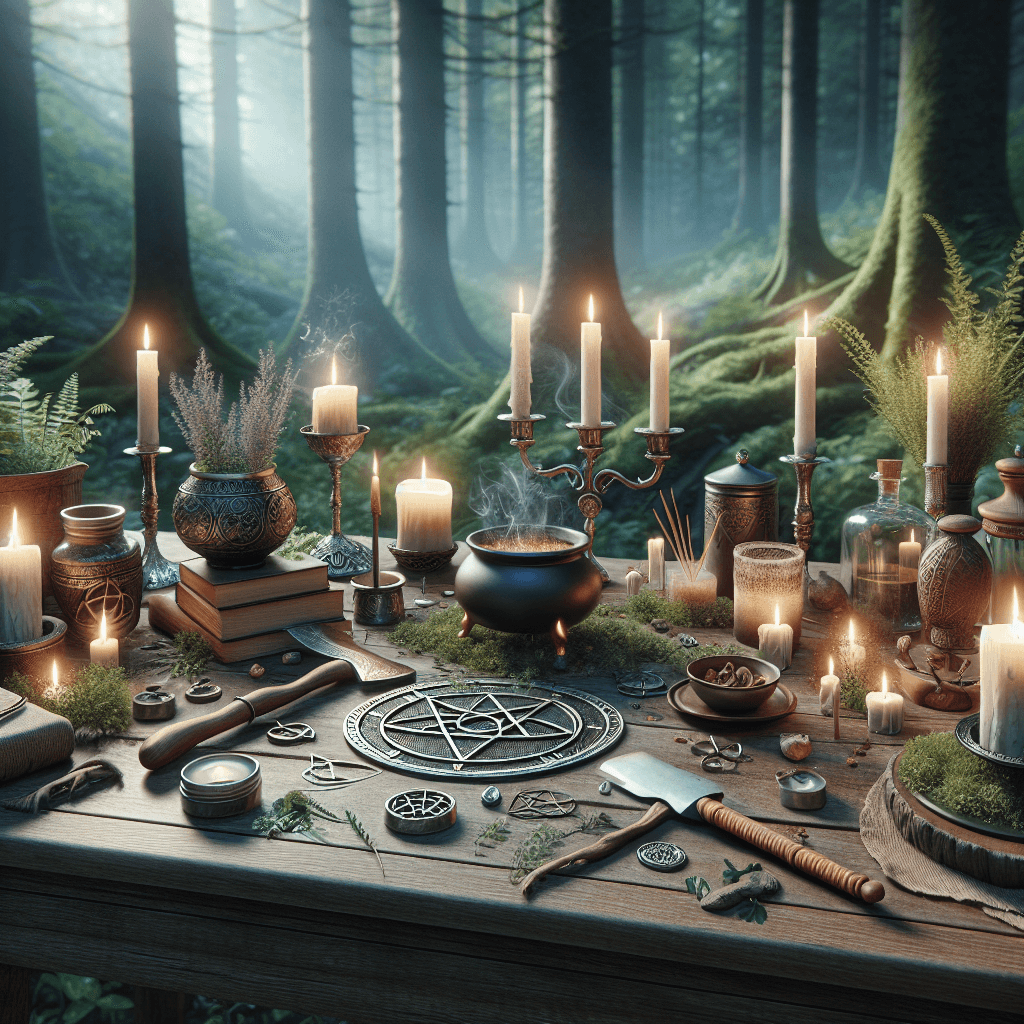
The foundation of any Wiccan Altar Setup Essentials collection begins with representations of the four sacred elements: Earth, Air, Fire, and Water. These elemental symbols form the spiritual backbone of your practice and connect you to the natural world. For Earth, you need a pentacle disc, crystals like amethyst or black tourmaline, salt, stones, or herbs such as mugwort. Air requires a feather, incense, wand, or purifying herbs like sage and lavender. Fire calls for candles, an athame ritual knife, or energizing rosemary. Water needs a chalice or cup filled with blessed water, seashells, or gentle herbs like rose and thyme.
Beyond the elements, your altar requires practical ritual tools including a bell for cleansing energy, your personal Book of Shadows for recording spells and observations, deity statues or ancestor representations, and offering dishes. Budget-conscious practitioners benefit from simple substitutes. Draw elemental symbols on paper when you cannot afford elaborate tools. Use household items like a kitchen knife wrapped in cloth as a temporary athame, or repurpose a favorite mug as your chalice.
Your altar surface works best when compact and portable. Consider a wooden box, decorative tray, windowsill, or shelf that fits your living space. The key lies in intention rather than expensive materials. Your sincere devotion transforms simple objects into powerful spiritual tools.
Sacred Space Creation Guide
Creating sacred space requires careful attention to location, cleansing, and spiritual preparation. Your altar location sets the tone for your entire practice. Choose quiet, private areas where you feel calm and connected to natural energies. Bedroom corners work well for daily practice, while windowsills offer connection to lunar cycles and natural light. Garden spots provide direct earth energy but require weather protection for your tools. Avoid high-traffic areas where family members or roommates interrupt your spiritual work.
Consider the cardinal directions when positioning your altar. Many Wiccans face North to honor Earth energy, though you should trust your intuitive guidance about directional alignment. Cleansing your chosen space removes stagnant energy and prepares the area for sacred work. Smoke cleansing with sage, palo santo, or kitchen herbs like thyme effectively clears negative vibrations. Salt water sprinkled around the perimeter creates protective boundaries. Ring a bell in each corner to break up energy blockages.
Visualization techniques work equally well if you live in smoke-sensitive housing. Picture bright white light filling your space and pushing out any unwanted influences. Your altar cloth defines the sacred boundary and protects your tools. Natural fabrics like cotton, linen, or silk work best because they hold energy effectively. Pentacle designs represent Earth element and create protective sacred boundaries around your working space. A simple scarf or decorative mat serves this purpose perfectly. Bless your cloth with prayers or intentions directed toward your chosen deities before first use.
Essential Altar Tools List
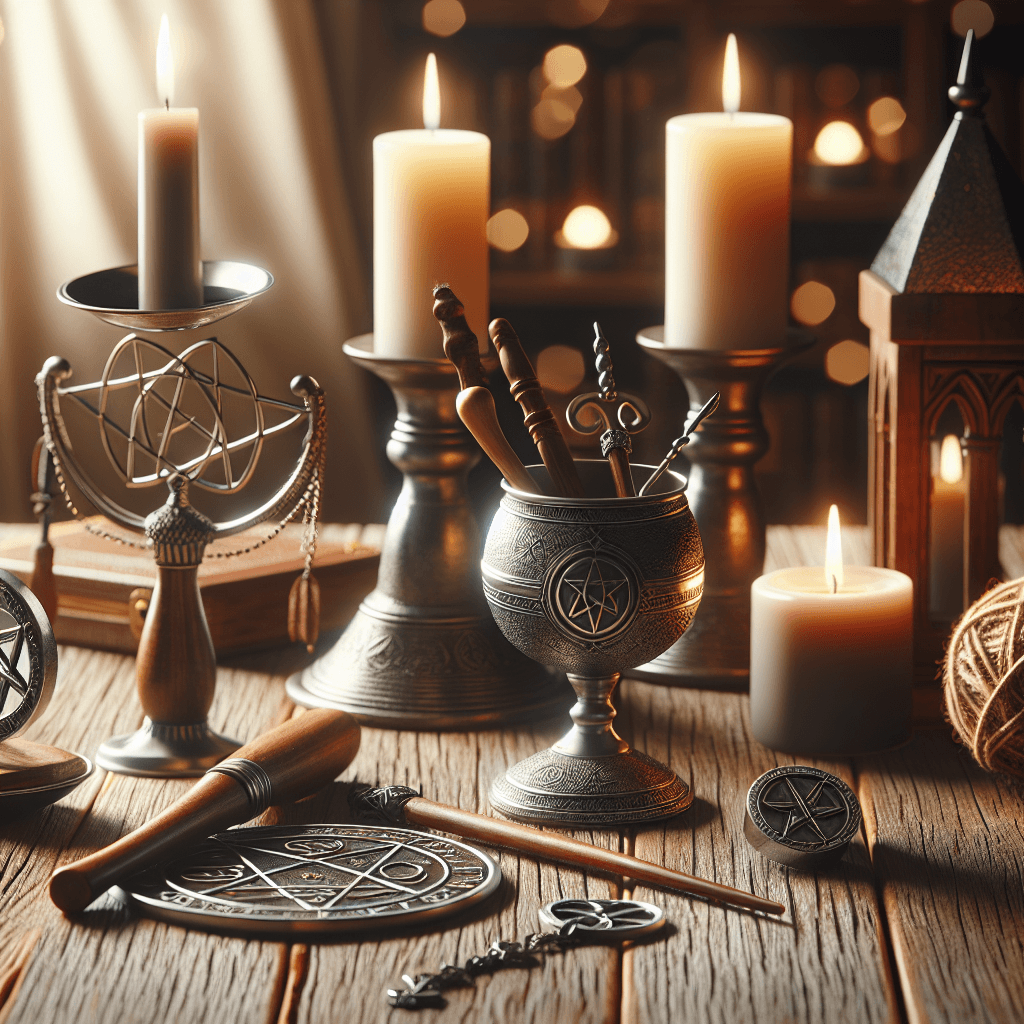
Building your essential altar tools collection focuses on elemental representation and ritual functionality rather than expensive purchases. Earth element tools ground your practice in physical reality and natural wisdom. Your pentacle disc serves as the centerpiece representing all five elements united in harmony. Crystals amplify specific intentions: amethyst enhances spiritual connection, black tourmaline provides protection from negative energy, and clear quartz amplifies other stones’ properties. A salt bowl purifies energy and creates protective circles. Collect stones from meaningful places or choose plants that thrive in your climate. Mugwort, a traditional witch herb, enhances psychic abilities and dream work.
Air element tools facilitate communication with spiritual realms and carry your prayers to the divine. Feathers from naturally deceased birds work better than purchased ones because they carry authentic energy. Incense creates sacred atmosphere and carries intentions skyward through smoke. Your wand directs energy during spellwork and ritual casting. Sage and lavender purify spaces and promote peaceful energy.
Fire element tools provide transformative power and illuminate spiritual insights. Candles form the heart of most Wiccan rituals. White candles work for general purposes while colored candles target specific intentions: red for passion, green for prosperity, blue for healing. Your athame directs energy but never cuts physical objects. Kitchen knives work temporarily if wrapped in cloth and consecrated for ritual use only. Rosemary burns safely indoors and promotes mental clarity.
Water element tools offer emotional healing and intuitive wisdom. Your chalice holds blessed water, wine, or ritual beverages during ceremonies. Any meaningful cup works if dedicated solely to spiritual practice. Seashells connect you to ocean energy even when living inland. Rose petals encourage love and self-compassion while thyme promotes courage and strength.
Beginner Altar Arrangement Tips
Arranging your altar tools requires intentional placement that balances aesthetic beauty with ritual practicality. Your central focal point anchors the entire altar setup and draws spiritual energy toward your working space. Choose between a goddess figurine representing divine feminine energy, a pentacle disc symbolizing elemental harmony, or a central candle providing illumination for ritual work. This centerpiece should resonate deeply with your personal spiritual path and feel meaningful every time you approach your altar.
Surround your focal point with elemental representations placed according to traditional cardinal directions. Position your Air element tools like feathers or incense in the East where the sun rises and brings new beginnings. Place Fire element items such as candles or your athame in the South representing strength and transformation. Set Water element tools including your chalice or shells in the West where the sun sets and emotions flow freely. Arrange Earth element objects like crystals or salt in the North representing stability and grounding energy. These directional correspondences create energetic balance but flexibility serves beginners better than rigid adherence to rules. Trust your intuitive guidance about what feels right in your space.
Practical considerations matter as much as spiritual symbolism when designing your altar layout. Leave adequate space for ritual work including candle lighting, incense burning, and book reading. Ensure frequently used items stay within easy reach during ceremonies. Group related tools together for efficient ritual flow. Store delicate items safely away from candle flames or incense ash. Your altar should feel aesthetically pleasing because beauty enhances spiritual connection. Balance colors, textures, and heights to create visual harmony. Personal meaningful objects like family photos, inherited jewelry, or natural treasures add individual touches that strengthen your emotional connection to the space.

Seasonal Altar Decoration Ideas
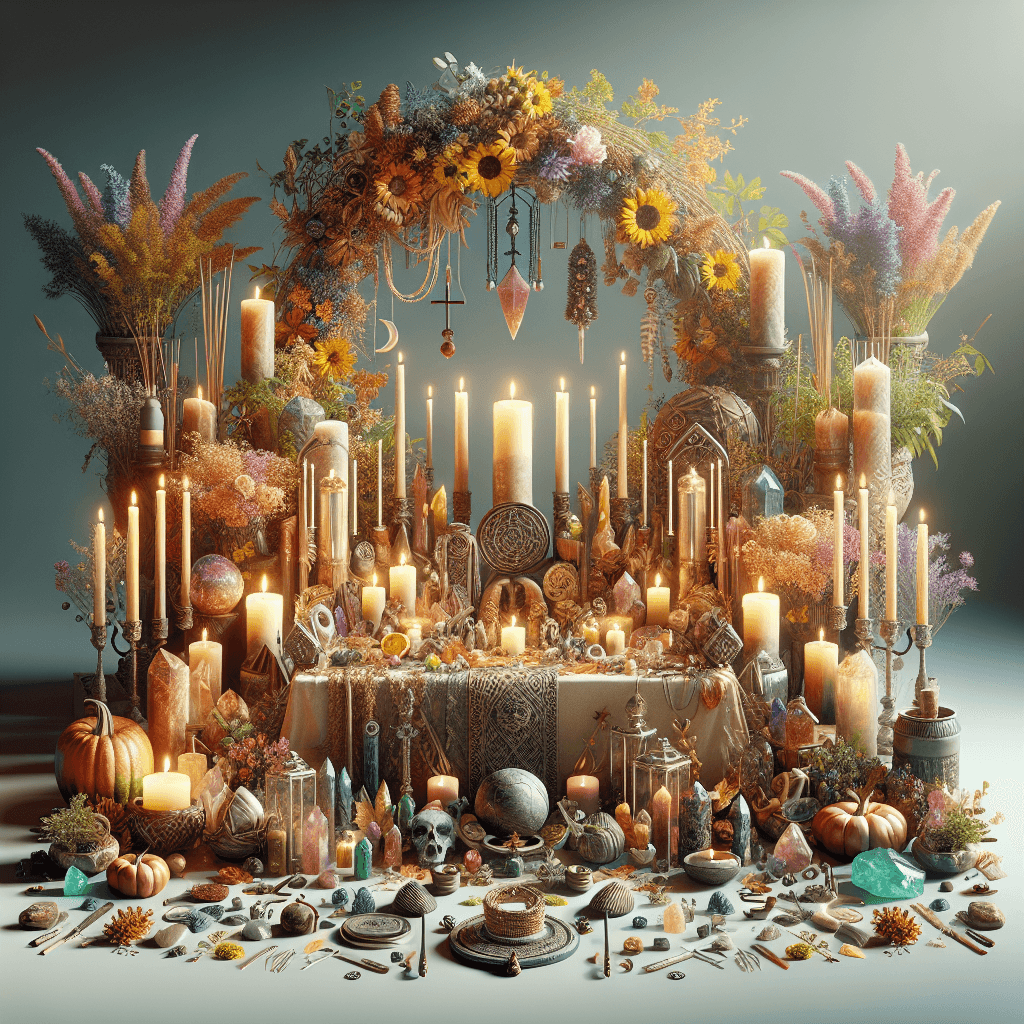
Seasonal altar decorations connect your practice to the natural rhythms of the Wheel of the Year and keep your spiritual space energetically fresh. Spring altars celebrate renewal and new growth with fresh flowers, green candles, and sprouting seeds. Place pussy willows or early daffodils in small vases to represent awakening earth energy. Light green and yellow candles for growth and mental clarity. Add herbs like sage for purification and lavender for peace as you plant intentions for the growing season.
Summer altars honor the sun’s power and abundance with bright colors and fire element emphasis. Sunflowers, bright orange marigolds, or red roses bring solar energy indoors. Increase the number of candles on your altar and choose gold or orange colors. Fresh rosemary and basil herbs enhance mental clarity and protection during active summer months.
Autumn altars embrace the harvest and preparation for winter’s introspective time. Gather fallen leaves, small pumpkins, and seasonal fruits like apples or pomegranates. Replace bright summer candles with deeper reds, oranges, and browns. Mugwort becomes especially appropriate as the veil between worlds thins approaching Samhain. Add protective herbs like thyme and warming spices like cinnamon.
Winter altars focus on introspection, protection, and honoring the returning light. Evergreen boughs, pinecones, and holly bring forest energy indoors when gardens sleep. White and silver candles represent snow and starlight during long nights. Frankincense and myrrh create sacred atmosphere for deep meditation and shadow work.
Dynamic altar elements add sensory engagement that deepens your spiritual connection throughout the year. Living plants require care that creates ongoing relationship with growing things. Their presence reminds you that your spiritual practice must also receive regular attention to thrive. Steaming cups of herbal tea during ritual work engage your sense of smell and provide ritual beverages. Ring bells during seasonal transitions to mark energetic shifts and clear stagnant winter energy.
Your Wiccan Altar Setup Essentials create a foundation for lifelong spiritual practice that grows and evolves with your personal journey. Which seasonal element will you add first to make your altar truly come alive with natural energy?
Related Items:

Lilly Dupres
Owner & AuthorLilly Dupres, a lifelong practitioner of paganism, established Define Pagan to offer a clear definition of paganism and challenge misconceptions surrounding modern pagan lifestyles.


