

What Ritual Tools Do I Need to Create a Sacred Space for Beginners at Home?
For those starting their pagan journey, ritual tools sacred space creation begins with simple, accessible items that connect you to the elements and divine energy. Essential tools include crystals aligned with each chakra such as Red Jasper for grounding or Smoky Quartz for protection, essential oils for anointing and blessing, candles to represent the fire element, and incense or herbal smoke like rosemary or frankincense for air purification. You also need an altar cloth as your foundation, plus basic elemental representations like a bowl of water and salt.
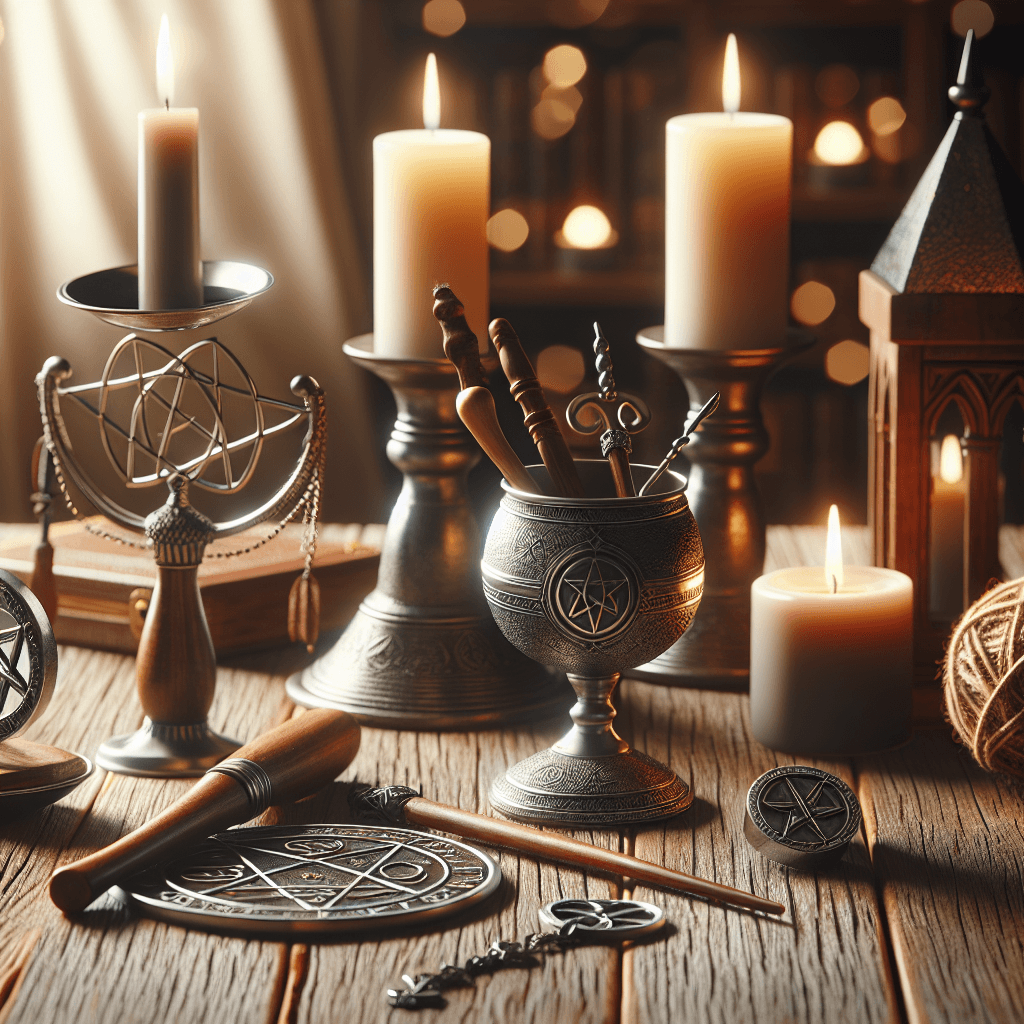
These tools form an affordable, portable setup that transforms any area into sacred space. Start by physically cleaning your chosen area, then spiritually cleanse it with smoke or sound. Arrange your meaningful items including crystals and candles on your cloth, then speak your intention aloud to activate the space. Additional tools from traditional pagan practices include athames or wands for directing energy, offering bowls for gifts to deities, and cauldrons for safe burning. Remember that personal connection matters more than following rigid rules or expensive purchases.
Altar Cloths Sacred Space
Altar cloths serve as the foundation for your ritual tools sacred space, defining boundaries while protecting surfaces from wax drips and herb residue. These sacred textiles reflect your personality, spiritual beliefs, and practical needs during ritual work. Choose inexpensive cotton or linen fabrics when working with messy elements like herbs, oils, or dripping candles. Save luxurious materials like crushed velvet or satin for special sabbat celebrations and full moon ceremonies.
The cloth creates a designated area that separates mundane objects from sacred tools. When you place crystals like Red Jasper or Smoky Quartz on your cloth alongside candles and incense, the fabric helps contain and focus energy within your ritual space. Water bowls and salt dishes stay stable on textured surfaces, while essential oils for anointing absorb into fabric rather than staining furniture. Your altar cloth becomes energetically charged through repeated use, holding memories of previous rituals and strengthening future workings.
Size matters when selecting altar cloths for different spaces and purposes. Smaller cloths work well for apartment living or travel altars, while larger pieces accommodate extensive tool collections and group rituals. The fabric weight affects how tools sit and move during ceremony. Heavier cloths stay in place when you arrange crystals and light candles, while lighter materials flutter with air currents and energy shifts. Consider washing requirements since ritual work often involves wax, ash, and oil stains that need regular cleaning.
Color psychology plays a vital role in altar cloth selection. Different hues amplify specific energies and connect your ritual tools sacred space to seasonal cycles and magical intentions. Black cloths absorb negative energy while providing neutral backgrounds for colorful crystals and bright candle flames. White fabrics reflect light and energy while symbolizing new beginnings and purification work. Deep purple connects you to spiritual wisdom, while forest green strengthens earth element connections and abundance manifestations.
Best Altar Cloths for Wiccans and Pagans: A Complete Buyer’s Guide
Quality altar cloths feature symbolic designs that enhance your ritual tools sacred space with meaningful imagery and protective symbols. Look for pentacles, triple moon phases, goddess figures, Celtic knots, or spiral patterns that resonate with your practice. These symbols work alongside your crystals, candles, and incense to amplify magical energy and create visual focal points during meditation and spellwork. Sizes typically range from compact eighteen by eighteen inch squares perfect for personal altars to larger tapestries suitable for coven gatherings.
Affordable options include cloths with Celtic knot patterns in earth tones, handmade crocheted pieces in ritual colors like deep purple or forest green, and repurposed textiles with personal meaning. Consider durability alongside aesthetics since regular use with candle wax, essential oils, and herbal smoke requires fabrics that withstand frequent washing. Machine washable materials save time and effort while spark resistant treatments prevent dangerous accidents during fire ceremonies and candle magic.
Modern pagan practitioners often prefer cloths that blend traditional symbolism with contemporary aesthetics. Nordic inspired designs appeal to those following Norse traditions, while cottagecore patterns suit green witches and herbalists. Gothic and witchcraft themed fabrics work well for shadow work and protective rituals. The key lies in choosing designs that speak to your spiritual path while supporting practical needs during ritual work with your essential tools including crystals, candles, water bowls, and salt.
Shopping considerations include reading reviews from other practitioners, checking fabric composition for durability, and verifying accurate sizing for your altar space. Natural fibers like cotton and linen breathe well and absorb oils without damage, while synthetic blends offer stain resistance and easy care. Some cloths come with matching accessories like altar runners or smaller accent pieces that coordinate your entire ritual tools sacred space. Investment in quality pieces pays off through years of reliable use and deepening energetic connections.
DIY Altar Cloth Creation Methods
Creating custom altar cloths allows you to infuse personal energy into your ritual tools sacred space while expressing unique spiritual aesthetics. Start with simple techniques using accessible materials like cotton fabric, fabric paint, or embroidery supplies. Crocheting spiral patterns in ritual colors creates textured surfaces that hold crystals securely while adding handmade energy to your practice. Choose deep purple for spiritual connection, forest green for earth magic, or midnight blue for lunar work.
Simple sewing projects transform plain fabrics into powerful ritual tools. Hand stitch protective symbols like pentacles around borders, embroider moon phases across corners, or applique goddess silhouettes in contrasting colors. These personal touches work alongside your essential oils, candles, and incense to create cohesive energy throughout your sacred space. Begin with basic running stitches and simple shapes before attempting complex Celtic knotwork or detailed deity imagery.
Fabric selection affects both appearance and function in your finished cloth. Natural fibers accept dyes and paints better than synthetic materials while providing breathable surfaces for your ritual tools. Cotton works well for beginners since mistakes wash out easily and the material handles frequent use with crystals, water bowls, and salt without degrading. Linen offers elegant drape and natural texture but costs more and wrinkles easily. Hemp provides durability and earth energy connections but feels rougher against skin during tactile rituals.


Temporary options bridge the gap between purchasing ready made cloths and creating permanent pieces. Use fabric markers to draw symbols on solid colored bandanas, hand towels, or scarves you already own. This approach lets you experiment with different designs and colors before committing to permanent altar cloths. Red bandanas work well for fire magic and passion spells, while purple hand towels suit divination and psychic development work. Family heirlooms like vintage tablecloths or scarves add ancestral energy to your ritual tools sacred space while honoring family connections.
Seasonal Altar Cloth Color
Color magic transforms your ritual tools sacred space by aligning energies with natural cycles and magical intentions. White cloths channel purity and new beginnings during spring equinox celebrations, creating perfect backdrops for clear quartz crystals and fresh flower offerings. The clean energy supports manifestation work with essential oils and white candles while clearing stagnant winter energies from your practice space. White also amplifies other colors in your crystal collection and reflects candlelight beautifully during evening rituals.
Red fabrics ignite passion and vitality during summer solstice when solar energy peaks and fire element dominates seasonal magic. These vibrant cloths enhance work with Red Jasper crystals, cinnamon incense, and flame colored candles while supporting courage spells and creative inspiration. The bold color energizes your entire altar setup and draws attention to ritual tools during group ceremonies. Red works especially well for protection magic and strength building rituals throughout the summer months.
Green altar cloths connect your ritual tools sacred space to abundance and growth energies during autumn harvest celebrations. These earth toned fabrics complement Smoky Quartz crystals, rosemary incense, and brown or gold candles while supporting prosperity magic and gratitude rituals. The natural color harmonizes with seasonal decorations like acorns, leaves, and harvest foods placed alongside your water bowls and salt dishes. Green also supports healing work and connection with plant spirits during herb gathering season.
Purple fabrics elevate spiritual awareness and psychic abilities during introspective work throughout the year. These mystical cloths enhance meditation with amethyst crystals, frankincense smoke, and silver candles while supporting divination and dream work. Black altar cloths provide protection and grounding during Samhain and winter celebrations when the veil thins and shadow work intensifies. Yellow gold channels solar manifestation energy, while midnight blue connects to subconscious depths and lunar mysteries. Silver honors goddess energy during full moon esbats and feminine divine work. Match your cloth colors to specific sabbats and magical goals for maximum effectiveness in your ritual tools sacred space.
Your ritual tools sacred space reflects your unique spiritual journey and deepens through intentional choices in every element from crystals to altar cloths. Which seasonal colors call to your practice right now, and how will you begin creating your own sacred space today?
Related Items:

Lilly Dupres
Owner & AuthorLilly Dupres, a lifelong practitioner of paganism, established Define Pagan to offer a clear definition of paganism and challenge misconceptions surrounding modern pagan lifestyles.


