
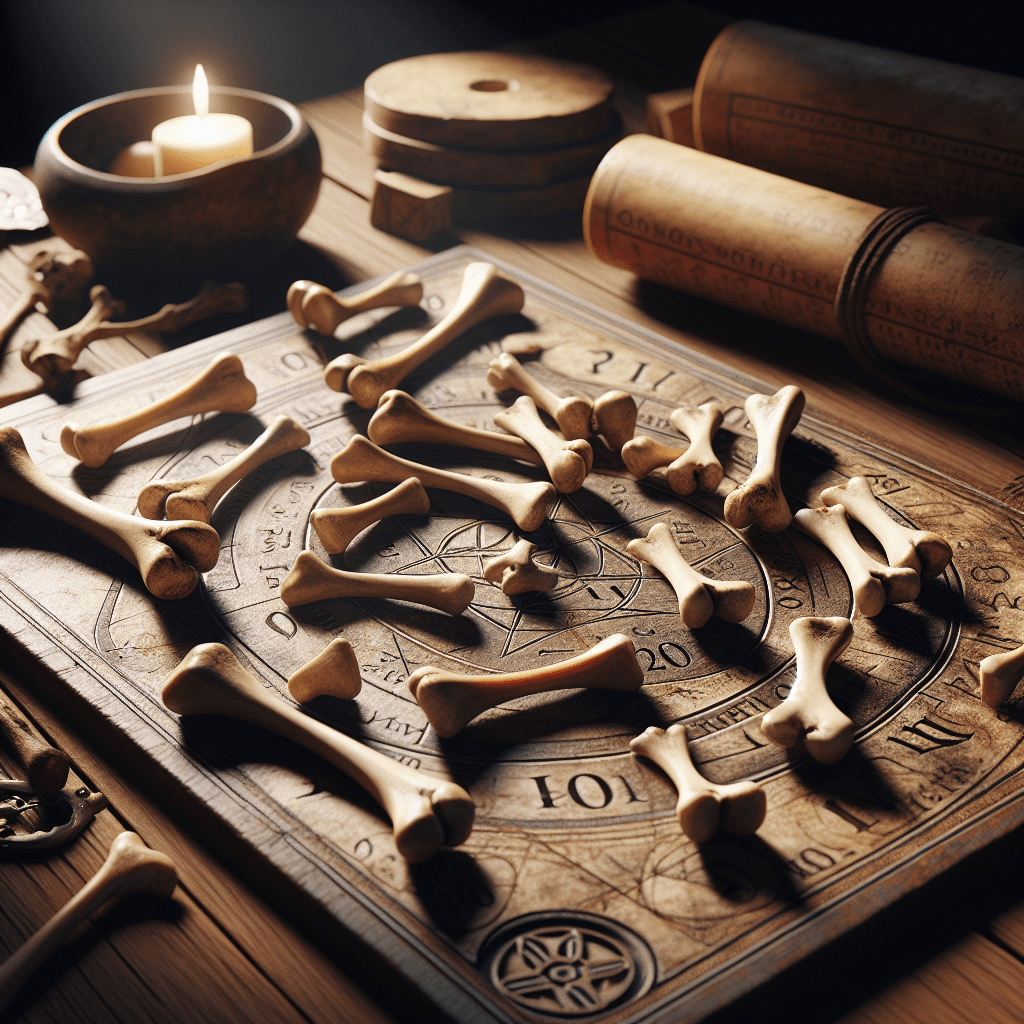
Bone Reading Ancient Divination: Sacred Tools and Historical Practices
Introduction to Bone Divination
Bone reading ancient divination has captivated spiritual seekers and historians alike through its profound connection to our ancestors. What tools and materials were used in ancient bone divination rituals? The answer lies in the careful selection and preparation of specific bones, particularly ox shoulder blades and tortoise shells, along with specialized tools for inscription and heating.
Bone Reading History and Ancient Divination Origins
The roots of bone reading stretch deep into human history, with the most detailed records emerging from China’s Shang Dynasty. During this era, skilled diviners developed sophisticated methods for preparing and reading oracle bones. These sacred tools weren’t just random pieces – they were carefully selected, cleaned, and prepared through specific rituals. The practice spread beyond China, appearing in various forms across ancient cultures from the Mediterranean to Northern Europe, each developing their unique approaches to unlocking divine messages through bones.
Sacred Bone Reading Methods and Historical Osteomancy Practices
The ancient art of bone reading involved more than just tossing bones and hoping for answers. Practitioners developed intricate methods for preparing their tools, from polishing and drilling specific points to creating precise inscriptions. The heating process was particularly crucial – skilled readers knew exactly where to apply heat to create meaningful crack patterns. These patterns weren’t random; they formed a complex language that only trained diviners could interpret, revealing messages about everything from warfare to weather predictions.
Bone Casting Sacred Tools
The toolkit of an ancient bone reader was both practical and sacred. Beyond the bones themselves, practitioners needed sharp tools for carving, heat sources for creating cracks, and sometimes pigments or inks for recording interpretations. Each tool served both a practical and spiritual purpose, forming part of a complete divination system. The most skilled readers knew that success depended not just on the tools themselves, but on how they were cared for and used within the broader context of their spiritual practice.
Traditional Bone Reading Rituals
The ritual aspects of bone reading went far beyond the physical act of divination. Each session began with careful preparation – cleansing both the tools and the space, centering the diviner’s energy, and forming clear questions for the ancestors. The process demanded complete focus and respect. After readings, bones were often treated with special care, buried in dedicated spaces that honored their sacred role as bridges between the physical and spiritual worlds.
Modern Legacy and Practice
The legacy of bone reading ancient divination continues to influence spiritual practices today, offering insights into how our ancestors sought guidance from the divine. Ready to explore this ancient art further? Discover how these timeless practices can enhance your own spiritual journey and connection to ancestral wisdom.
Related Items:

Lilly Dupres
Owner & AuthorLilly Dupres, a lifelong practitioner of paganism, established Define Pagan to offer a clear definition of paganism and challenge misconceptions surrounding modern pagan lifestyles.


