Culinary Herb Grinding Techniques
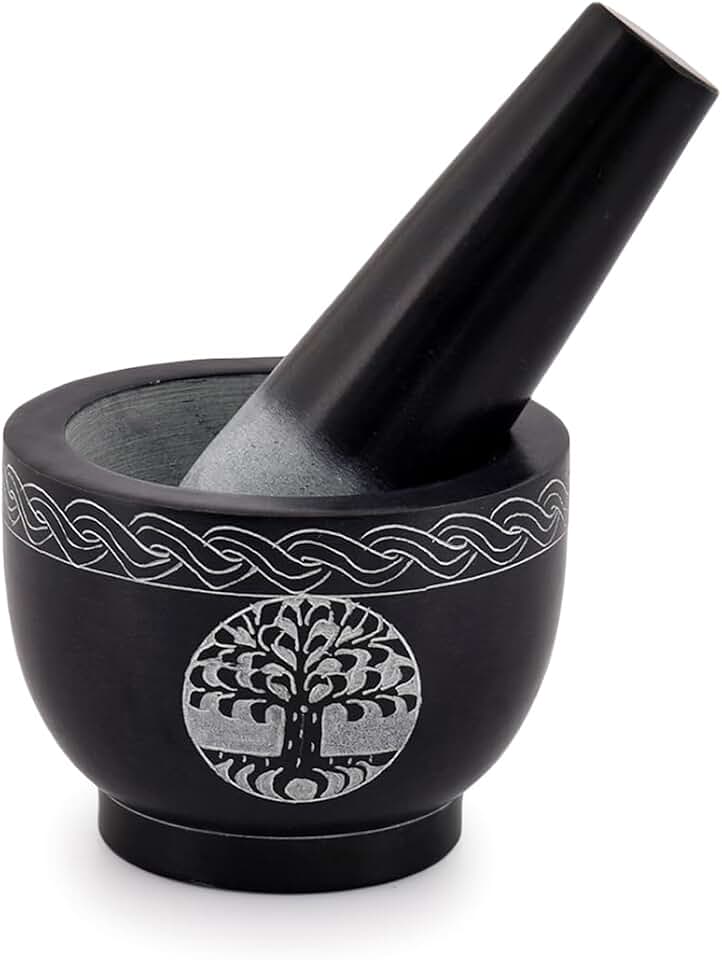
Samhita Tree of Life Natural Stone Mortar & Pestle Mortar Diameter- 3.75"x 2.75" Pestle-5" x 1.5"
View Product →Culinary herb grinding techniques are essential for unlocking the full potential of herbs in your cooking. How do you grind fresh herbs without a mortar and pestle? While a mortar and pestle is a classic tool, there are several alternatives. You can use a sharp knife and cutting board to finely chop herbs, roll them with a rolling pin, or even pulse them in a clean coffee grinder. Each method has its merits, but the key is to choose the technique that best suits your needs and the herbs you’re working with.
Best Herb Grinding Methods
Best herb grinding methods encompass a range of techniques, from traditional to modern. The mortar and pestle remain a favorite among culinary enthusiasts for its ability to release essential oils and create complex flavors. Electric herb grinders offer speed and consistency, perfect for busy kitchens or larger quantities. Manual herb grinders provide a middle ground, offering control without the elbow grease of a mortar and pestle. For those who prefer a hands-on approach, a sharp knife and cutting board can work wonders, especially for fresh leafy herbs. Each method has its place in the kitchen, and experimenting with different techniques can help you find the perfect grind for your culinary creations.
Mortar and Pestle Techniques

HIC Kitchen Mortar and Pestle Set, Solid Carrara Marble, 3.8-Inch, Spice Herb Grinder, Pill Crusher, Nut Butter Maker
View Product →Mortar and pestle techniques have been refined over centuries, making this tool a staple in kitchens worldwide. The key to mastering the mortar and pestle lies in understanding the unique properties of different herbs and spices. Some herbs, like basil or mint, require a gentle touch to avoid bruising, while tougher spices like peppercorns need more force. The grinding motion should be a combination of pressing and circular movements, allowing you to control the texture from coarse to fine. This method not only grinds herbs but also helps to release their essential oils, intensifying flavors in a way that electric grinders can’t match. With practice, you’ll develop a feel for the right pressure and motion for each herb, elevating your cooking to new heights.
Electric Herb Grinder Comparison
Electric herb grinder comparison reveals the convenience and efficiency of modern technology in the kitchen. These devices come in various sizes and styles, from small personal grinders to larger, professional-grade models. When choosing an electric grinder, consider factors like capacity, power, and ease of cleaning. Some models offer multiple grind settings, allowing you to switch between coarse and fine textures easily. While electric grinders excel at producing consistent results quickly, they may not release flavors as effectively as manual grinding. However, for large batches or frequent use, an electric grinder can be a time-saving tool that still delivers excellent results. The key is to find a balance between convenience and the level of control you desire in your herb preparation.
DIY Herb Grinding Hacks
DIY herb grinding hacks can be lifesavers when you find yourself without specialized tools. A zip-top bag and a rolling pin can create a makeshift grinding station – simply place herbs in the bag and roll over them with firm pressure. For smaller quantities, the back of a spoon can be used to crush herbs against a cutting board or the bottom of a bowl. Even a mug can serve as an impromptu mortar, with its handle acting as a pestle. These creative solutions prove that with a bit of ingenuity, you can achieve great results using everyday kitchen items. While these methods may require more effort than specialized tools, they can be just as effective in releasing flavors and creating the desired texture for your culinary creations.
Conclusion
Mastering culinary herb grinding techniques is an art that can significantly enhance your cooking. Whether you choose traditional methods, modern tools, or creative DIY solutions, the key is to experiment and find what works best for you. Ready to take your herb grinding skills to the next level? Why not try a new technique in your next recipe and taste the difference for yourself?
Related Items:

Lilly Dupres
Owner & AuthorLilly Dupres, a lifelong practitioner of paganism, established Define Pagan to offer a clear definition of paganism and challenge misconceptions surrounding modern pagan lifestyles.