
What Do I Actually Need to Set Up a Pagan Altar for Candle Work?
You want to build something that works. Not something that looks good in a photo, but something you light every week without fear of wax on your floor or a candle that tips over mid-rite. This guide walks through what to buy, in what order, and why each piece earns its spot on your altar.
Building a Pagan Candle Altar Setup That Starts With the Right Candles

Skip the rainbow pack. You do not need twelve colors sitting untouched for a year.
Start with two dependable altar candles in white, cream, or natural beeswax. These neutral colors work for general rites, blessings, ancestor work, or simply marking sacred space. If your tradition works with polarity, two candles give you a clear center point. If your practice is simpler, one candle anchors meditation just as well.
Once your altar candles are set, add a small stock of tapers, chime candles, or votives in colors you actually use for spellwork. Buy what fits your holders and burns for a length of time you can manage during a working. A candle that burns for six hours when your rite takes twenty minutes is not helping you.
Quality matters more than most people expect. A cotton wick and steady wax burn clean and even. Cheap candles tunnel down the middle, smoke heavily, or drip past the holder. That mess pulls your attention away from the rite itself, which defeats the purpose of lighting the candle in the first place.
Choosing Holders for Your Pagan Candle Altar Setup
Holders are not decoration. They are the safety layer of your whole practice.
A good holder needs three things. It needs enough weight to stay put and not tip. It needs to fit the candle snugly, not loosely. It needs to be made from material that handles heat without warping or cracking.
Different candle types need different holders:
- Tapers need a firm, gripping base so the candle stays upright as it burns down.
- Small spell candles need a holder with a catch basin for dripping wax.
- Pillars need width and depth, since they stay heavy and wide even as they shorten.
If your altar space is small, pick holders that do not crowd the surface. If you light candles often, buy a couple of extras. Searching for the right size holder in the middle of a rite breaks focus fast.
The Working Kit Behind a Complete Pagan Candle Altar Setup
Beyond candles and holders, a few small tools round out a working setup.
A snuffer closes a rite cleanly. It stops smoke from curling up and stops wax from splattering when you pinch or blow out a flame carelessly.
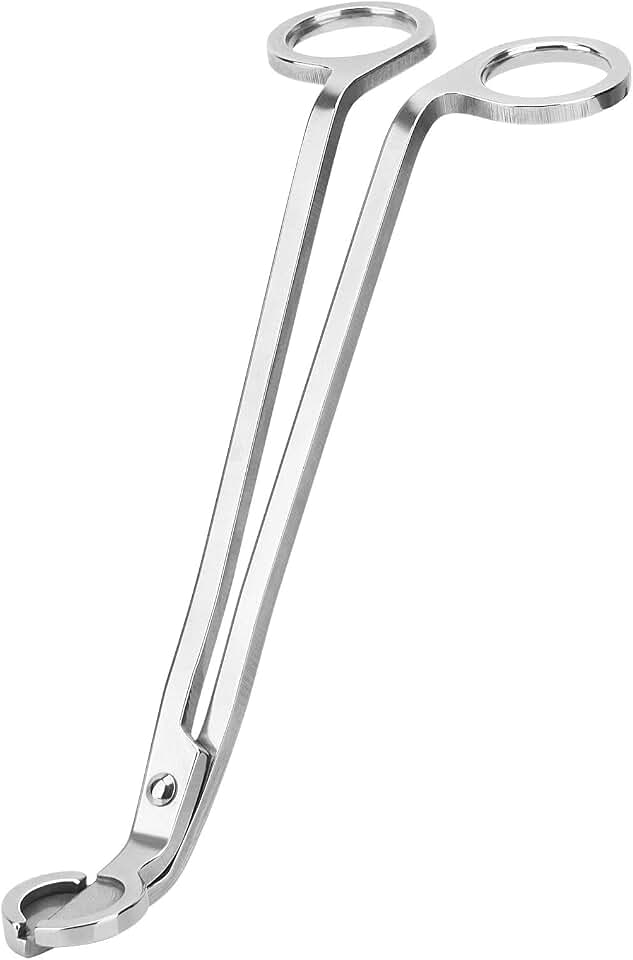
A wick trimmer keeps your candle burning evenly instead of drowning in its own melted wax. Trim the wick short and straight before each use.
Matches or a lighter seem obvious, but keep a set dedicated only to ritual use. Many practitioners also keep a long taper or match for lighting candles directly from an altar flame, which matters more in formal or group work.
If you dress candles with oil or herbs, buy small amounts you will use up. A small bottle of oil, a bit of fine herb, a carving tool, and a wax-safe surface cover most needs. Buying more than that just clutters your altar and makes the space harder to use.
Matching a Pagan Candle Altar Setup to How You Actually Practice

The best setup reflects your real habits, not an idealized version of your practice.
A seasonal working might call for one candle and one holder. Nothing more. A fuller rite might need four directional lights, a deity candle, and separate ancestor lights. Both are complete setups. Neither needs extra pieces sitting unused.
Choose your pieces for function first. A supplier who understands ritual use will sell holders sized for real candles and candles built to burn clean, not novelty items chosen for looks alone.
A steady, well-built Pagan candle altar setup solves the problems raised here: unstable holders, poor-quality candles, and the guesswork of what to actually buy. The right pieces let you focus on the rite instead of managing wax drips or wobbling holders. Take a look at the ritual candles and holders built for real practice in the Define Pagan shop.

Lilly Dupres
Owner & AuthorLilly Dupres, a lifelong practitioner of paganism, established Define Pagan to offer a clear definition of paganism and challenge misconceptions surrounding modern pagan lifestyles.